Public-private collaboration, what is its added value for Genesal Energy?

Public-private collaboration roundtable participants
Collaboration between public and private entities (public-private collaboration) in the field of research, development and innovation (R&D&I) has proven to be a driving force for technological and economic progress. This synergy allows the combination of resources, knowledge and capabilities from different sectors, generating benefits that transcend both parties and have a positive impact on society as a whole.

Boosting R&D&I and Competitiveness

Private companies, thanks to their focus on competitiveness and their vision of the market, provide a practical and results-oriented perspective. On the other hand, public entities, such as technology centres, with their vast knowledge and experience in advanced research, provide a solid base of scientific and technical knowledge. This combination enables the leap from ideas to marketable tech products.

Moreover, this collaboration fosters the competitiveness of private companies. By improving products and processes, companies can differentiate themselves in the market and achieve a competitive advantage. Companies that develop such collaborative frameworks not only benefit individually, but the economic ecosystem as a whole is strengthened.

Resource Optimisation and Cost Reduction

Both research and development are costly and risky processes, especially for small and medium-sized enterprises. Collaboration with public technology centres makes it possible to share these risks and costs. Public institutions often have advanced research infrastructures and equipment that can be used by private companies, thus reducing the need to invest in expensive in-house equipment and laboratories.

In addition, this collaboration facilitates access to public funding and grants for R&D&I projects, which significantly reduces the financial burden for companies. This is especially beneficial in emerging sectors or in high-risk projects where profitability is not guaranteed in the short term.

Knowledge Transfer and Training

Public-private collaboration in R&D&I also promotes the transfer of knowledge and skills between academia and industry. Private companies can benefit from the education and training provided by technology centres, thus improving the skills of their staff and fostering a culture of continuous innovation.

Researchers and technicians in public centres can also gain valuable practical experience by working on market-oriented projects, enriching their perspective and increasing their ability to develop real-world solutions. This feedback is essential to maintain the relevance and quality of public research.

Success stories: the collaboration between Genesal Energy and AIMEN

An example of the benefits of public-private collaboration in R&D&I is the alliance we have established at Genesal Energy with the AIMEN Technology Centre (Northwest Metallurgical Research Association), to develop projects focused on the energy transition.

Thanks to this collaboration, Genesal Energy has been able to take advantage of AIMEN’s research and development capabilities, including its expertise in advanced materials, manufacturing processes and automation technologies. This alliance has resulted in the materialisation of two R&D&I projects focused on renewable gases:

  • H2GEN, which seeks to develop a new generation of generator sets capable of operating with hydrogen in order to be more environmentally friendly.
  • ENEDAR, which aims to improve the energy efficiency and sustainability of wastewater treatment plants through the recovery of WWTP (Wastewater Treatment Plant) sludge. Three other private companies and the University of Valladolid are also collaborating in this project.

In the following video Álvaro García Martínez, Energy & Large Industry Sales Manager at AIMEN, gives us his vision of the added value of this type of project.

How we manufacture a generating set

Imagen de nuestra fábrica de grupos electrógenos

The manufacture of our generating sets is a complex process that covers different key phases, very much determined by the specific needs to be satisfied and always under the most demanding quality standards and controls.
Do you want to know it in detail?

Manufacturing phases of a generating set

Join us on this journey from the definition of the characteristics of the project to the generating set commissioning in its final location.

Distintos grupos electrógenos en la fábrica de Bergondo

1. Definition of the genset type

The starting point in the manufacture of an industrial generating set is the precise definition of its technical and functional characteristics, considering the specific needs of the project or the intended application. In this initial phase, crucial decisions are made that will determine the performance, reliability and lifetime of the equipment:

  • Fuel type: The type of fuel that will power the genset engine is selected, whether diesel, natural gas or other. Each fuel has advantages and disadvantages such as cost, efficiency, emissions and availability.
  • Power: The required power of the genset is determined, expressed in kilowatts (kW) and kilovoltamperes (kVA). This parameter depends on the power demand of the installation site and the power factor of the loads.
  • Engine type: The appropriate engine type is selected for the genset, considering factors such as rotational speed, fuel injection technology and applicable emission standards.
  • Alternator type: The alternator model suitable for the genset is selected. Each model has specific characteristics and applications in terms of voltage stability, overload capacity and transient response.
  • Cooling system: The appropriate cooling system is selected for the genset, both for engine and alternator, either air, water, oil or mixed. Each system has advantages and disadvantages such as thermal efficiency, noise level and maintenance.
  • Control and protection: The control and protections systems required for the genset are defined, including the control panel, start/stop systems, monitoring systems and overload, short circuit and fault protection devices.

Equipo de diseño Genesal

Further information on this issue: Classification and types of generating sets

2. Engineering Design

Once the features of the generating set have been defined, the engineering & design phase begins:

  • Assembly design: a team of expert engineers develops the drawings and calculations for the integration of all the components of the genset. This includes the design of the frame, engine and generator location, fuel tank, exhaust system, cooling system, control panel, protections and other essential elements.
  • Finite element analysis (FEA): tools are used to simulate the behaviour of the genset under different loads and operating conditions. This allows the design to be optimised and ensures the structural integrity of the equipment.
  • Material selection: Materials are carefully selected for each genset component, considering factors such as mechanical strength, thermal conductivity, corrosion resistance and durability.
  • Standards and regulations: Standards and regulations applicable to the manufacture of industrial gensets are strictly adhered to, including safety standards, emissions standards and quality standards.

Equipo de ingeniería

3. Technical documentation

Complete technical documentation of the genset is prepared, including:

  • User manuals: clear and detailed user manuals are developed that provide instructions for the installation, operation, maintenance and troubleshooting of the genset.
  • Electrical diagrams: Detailed diagrams are created showing the electrical configuration and operation of the genset systems.
  • Parts Lists: Complete parts lists are created that identify each generator set component and its corresponding part number.
  • Mechanical dimensional drawings: Dimensional and installation details of the equipment are explained.

4. Production planning

A detailed production plan is developed that defines the resources required, delivery schedules and manufacturing processes for the production of the genset, as well as the final operational tests.

5. Component manufacturing

The manufacture of the individual components of the industrial generating set involves high precision and quality control processes:

  • Machining of parts: metal parts – such as the frame, fuel tank and other structural components – are manufactured using high-precision machining techniques. High-strength and durable materials are used to ensure the reliability and service life of the equipment.
  • Electrical component manufacturing: Electrical components – such as the control panel, cables or electrical conduits – are manufactured to the highest standards. High quality materials are used, and rigorous testing is carried out to ensure the safety and proper functioning of the electrical system.
  • Assembly of sub-assemblies: Major subassemblies of the genset, such as the engine, generator and fuel tank, are assembled precisely according to established drawings and procedures. Advanced assembly techniques are used, and thorough quality checks are carried out to ensure the correct installation and operation of each sub-assembly.

Operario instalando componentes

6. Final assembly

In this crucial stage the complete genset is integrated: The frame, engine, generator, fuel system, exhaust system, cooling system, control and protection panel, and other components are carefully assembled on the main frame, following established procedures. Each component is checked for correct alignment, attachment and connection to ensure optimum performance.
Montaje final de un grupo

7. Testing

Exhaustive tests are carried out to verify the correct operation of the generating set as a whole:

  • Start & Stop test: The engine is checked to ensure that it starts and stops correctly, following the established procedures.
  • Load test: An Load Bank is connected to the generator to assess its power delivery capacity and the stability of the voltage and frequency.
  • Auxiliary systems test: Auxiliary systems such as the cooling system, exhaust system, lubrication system and control systems are checked for proper operation.
  • Noise test: The noise level of the generator set in operation is measured to ensure that it complies with the applicable noise standards.

Testeando el grupo

8. Quality control

Meticulous final inspections are carried out to ensure that the genset meets all established quality standards, both in terms of manufacturing and performance:

  • Visual inspection: A thorough visual inspection is carried out to detect any defects or anomalies in the body of the generating set.
  • Electrical tests: Additional electrical tests are carried out to verify the correct operation of the electrical system and the safety of the equipment.
  • Functional tests: Additional functional tests are performed to verify the performance of the engine, generator and auxiliary systems.

9. Packing and shipping

Once the tests have been completed and compliance with the quality standards has been verified, the generating set is prepared for shipment:

  • Packing: the generating set is carefully packed in a sturdy transport box or container, using suitable packing materials to protect it from damage during transport. Particular attention is paid to securing the equipment to avoid sudden movements that could cause damage.
  • Shipping: The genset is shipped to the end customer following established transport procedures. The shipment is carefully documented to ensure traceability and safe delivery of the equipment.

Grupo electrógeno en la grúa para el embalaje

10. Commissioning and After-sales Service

When the genset has arrived at its destination, it is time for commissioning:

  • Commissioning: A specialised technician provides the installation and commissioning of the generating set. The correct installation, configuration and operation of the equipment is verified.
  • After-sales service: From this moment on, the service is available to the customer for maintenance, repair and technical support of the generating set. Access to original spare parts and qualified technical personnel is provided to ensure the proper operation of the equipment throughout its service life.

Instalación y puesta en marcha de grupo electrógeno

This is how our energy is transformed from an idea to a tangible product that fits for each project.

Classification and types of generating sets

3 tipos de grupos electrógenos diferentes

Generator sets are essential for providing a reliable source of electricity in several situations. From emergency power supply to industrial and commercial applications, this equipment is essential to ensure the continued operation of crucial sectors and services in society.

In this comprehensive guide, we will take an in-depth look at the classification and various types of generator sets available on the market, focusing on their characteristics and applications.

Generator classification:

Generating Sets by engine type

The most used on the market are those with diesel and gas engines. However, more recent technologies and trends are introducing new forms of power generation that seek to minimise environmental impact, such as hybrid gensets and Stage V gensets.
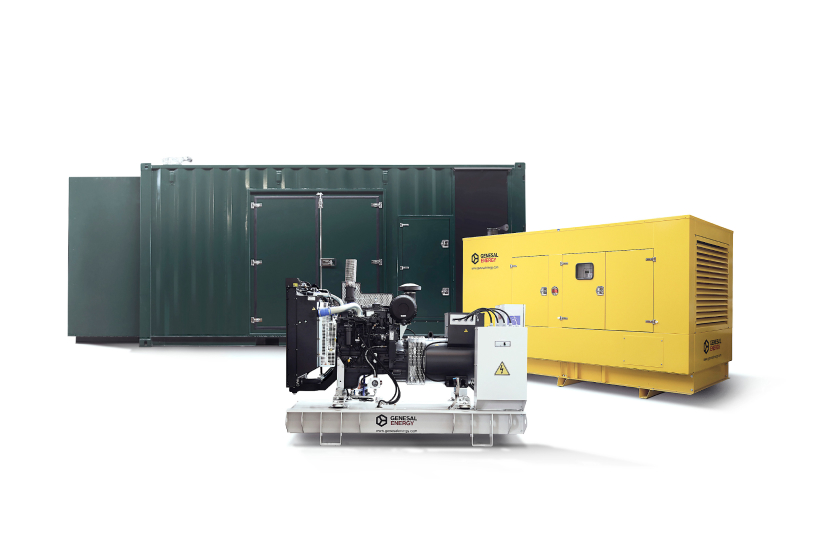
Grupos electrógenos diésel de Genesal Energy

Diesel engines

Diesel gensets are widely recognised for their robustness and reliability in power generation, making them ideal for applications requiring constant power and continuous operation, from industrial environments to power supply emergencies. Available in power ranges from 5 to 3,900 kVA, these generator sets are a widespread solution in the market.
They are essential for emergency power supply in critical services such as hospitals, shopping centres, and data centres. They are also used in industrial processes to provide a reliable and powerful power source.

Gas Engines

With an increasing focus on sustainability and emissions reduction, gas-powered generator sets are gaining popularity in a number of sectors. These engines offer a cleaner, more combustion-efficient alternative, making them ideal for applications where a smaller environmental footprint is required.

They are an ideal choice for cogeneration plants, where the heat generated as a by-product of electricity generation can be utilised, thus optimising the energy efficiency of the system.

Hybrid gensets

Hybrid gensets offer the possibility of combining multiple energy sources to supply electricity. For example, in a remote telecommunications station, electricity can be generated by combining a gas genset with windmills or solar panels.

This solution is particularly suitable for isolated locations without access to the grid, such as farms, cottages, hotels or mountain huts.
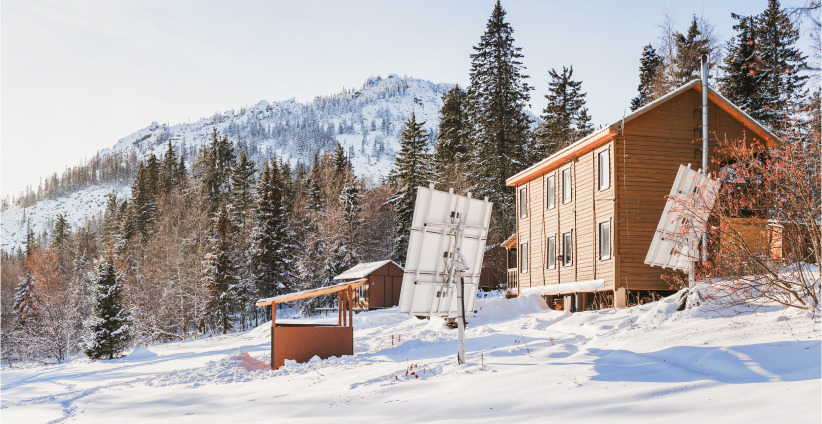
Instalación de grupos híbridos en la montaña

Generating Sets by emission regulations

Emission regulations have changed significantly in recent years, especially in the European Union, where regulations such as Stage II, Stage III and most recently Stage V have been implemented. These regulations set increasingly stringent standards to reduce the environmental impact of diesel engines, including those used in gensets.

Generator sets with not emissions-compliant engines

Non Emission-compliant engines are those that are not subject to specific regulations for the control of pollutant emissions. Unlike engines subject to regulations such as Stage V, these engines are not designed with advanced emissions control technologies. Although they may be less stringent in terms of emissions, their environmental impact can be considerably higher, making them less favourable in the current context of air quality and sustainability concerns.

Generator sets with Stage II engines

These engines must comply with specific emission limits for particulate matter and nitrogen oxides (NOx), which involves the adoption of more advanced emissions control technologies compared to non-emitting engines. Although not as stringent as the latest standards, Stage II engines represent a significant advance in terms of emissions reduction and environmental compliance.

Generator Sets with Stage III engines

These engines are designed with advanced emission control technologies to significantly reduce particulate matter and nitrogen oxides (NOx) emissions, making them more environmentally friendly and more compatible with increasingly stringent air quality standards.
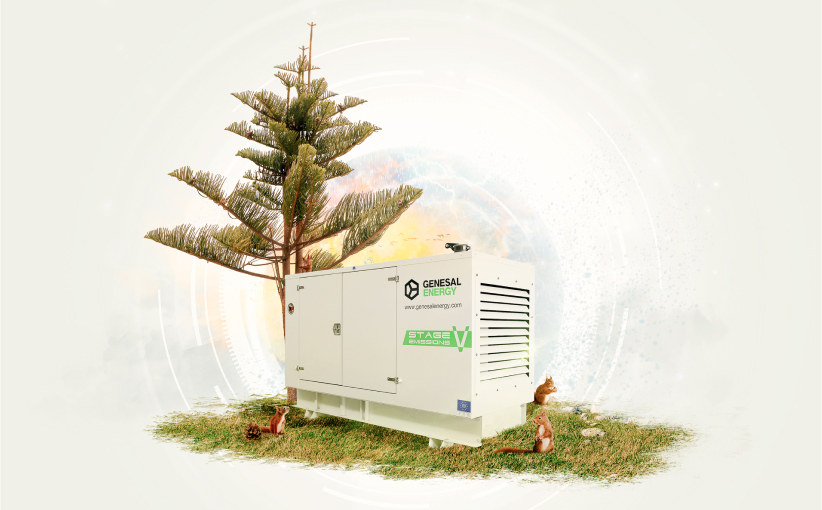
Grupo diésel con motor Stage V

Generator Sets with Stage V engines

The European Union’s Stage V standard aims to regulate and reduce pollutant emissions not only in on-road vehicles, but also in non-road equipment such as generator sets. This regulation sets stricter limits for emissions encouraging the development and adoption of cleaner and more efficient technologies.

Stage V compliant gensets ensure a lower environmental impact and more environmentally friendly operation meeting the highest air quality standards.

Generating sets by mobility

Another way of classifying generating sets is according to their mobility, i.e. their ability to be moved to wherever they are needed. With this in mind, we can divide generating sets into two categories: stationary and mobile.

Stationary generating sets

Stationary generating sets are the preferred choice on most occasions to ensure a constant and reliable power supply in specific installations. For example, in industrial environments or in hospitals, where electricity is vital 24 hours a day, 7 days a week. Generally larger in size and capacity, these sets are designed to be permanently installed in a specific location and are specifically sized to meet the requirements of the premises.
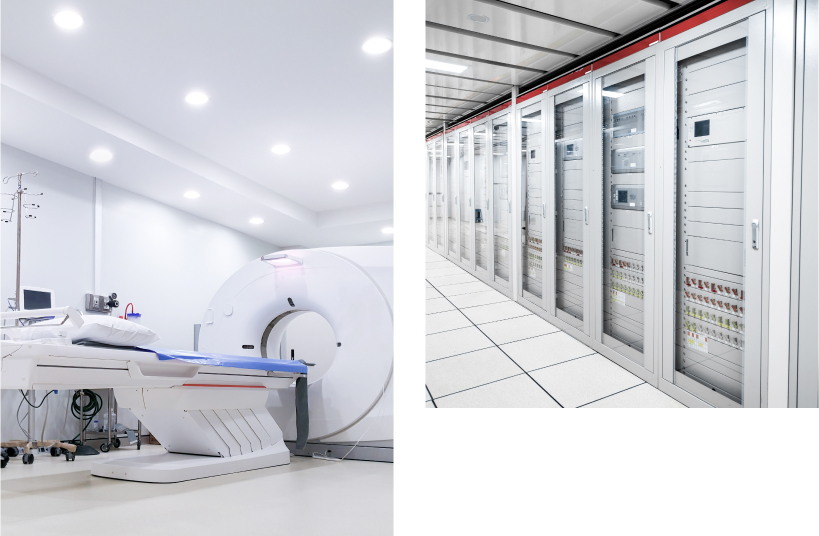
Servicios esenciales: hopsitales y centros de datos

Mobile generator sets

Mobile generator sets, on the other hand, offer flexibility and versatility in situations where mobility is essential. These – generally more compact – units are ideal for being moved from one location to another. From fairs and festivals to power failures or even natural disasters, mobile generator sets provide fast and efficient power support wherever it is needed.

When purchasing or renting a generator set, it is crucial to consider not only the capacity and power of the equipment, but also its mobility and adaptability to different scenarios.

Generating Sets by type of start-up

We can also classify the groups according to the type of start-up. This can be manual or automatic.

Manual start

When the immediacy of switching between the mains and generator supply is not crucial, a manual start genset can be installed. These systems require human intervention to start the generator in the event of a power failure. Although they may require a quicker response from personnel, manual starts are ideal in applications where direct supervision of the starting process is preferred or where this transition is not necessary, such as in stand-alone off-grid gensets.

Automatic start

Gensets with automatic start are the preferred and most common choice in situations where an immediate response to power outages is required. These systems automatically detect a power failure and activate power generation instantly to restore power without delay.

From critical applications in hospitals and data centres to the protection of sensitive facilities, automatic start-ups guarantee a smooth transition between the grid supply and the backup generator, always ensuring continuity of power service.

Generator Sets by Soundproofing Type

Depending on the intended use of the generator set and the needs of the environment in which it is installed, these machines can be manufactured in open or soundproof configurations.

Open Generator Sets

Open generator sets are a more economical and versatile option that provides easy accessibility for maintenance and operation. Although they do not offer the same level of soundproofing as canopied models, they are suitable for applications where noise is not a primary concern, such as industrial facilities.

Key advantages of open generator sets include their more compact size compared to soundproof sets, making them ideal for small spaces, and easier maintenance tasks.

Soundproofed Generator Sets

Soundproofed generator sets are the right solution for noise-sensitive environments where quiet and comfort are essential. These generators are distinguished by their careful design and their ability to minimize the level of noise generated during their operation, making them an ideal choice for places such as hospitals, residential areas or office buildings. Canopied sets make it possible to maintain an environment free of disturbing noise, promoting a healthier, more productive and habitable environment.

The key to their effectiveness lies in their structural features, which are designed with high-quality sound-absorbing materials and advanced acoustic insulation systems. Allowing for a significant reduction of the sound level, making the environment quieter and more comfortable for those in their proximity.

 

Importancia de la insonorización en hospitales

Generator Sets by Voltage Type

Single-phase Generator Sets

A popular choice for applications where power demand is relatively low and considerable power is not required. They are particularly suitable for domestic use, small businesses and agricultural applications where the load is light, and simplicity is key. Their compact design and ability to operate efficiently as back-up systems make them a convenient and affordable solution for maintaining continuity of power supply in emergency situations or for occasional use.

Three-phase Generator Sets

The right choice for applications requiring high power and supply stability. They are suitable for industrial, commercial and construction environments where power demand is significant and constant levels of electricity are needed to power complex machinery, equipment and systems. Their ability to handle heavy loads and distribute power evenly between phases makes them a reliable choice for a wide range of demanding applications.

Imagenes de centros comerciales

In this practical guide, we have compiled the main classifications commonly used. Depending on the characteristics of the generating sets, they can also be classified according to their power, use or other aspects.

New care home generators to guarantee energy supply

There is an undeniable demographic transition towards an ageing population and the well-being of senior citizens in care centres is a sensitive issue in our societies.

The role of care home generators

One of the key elements to provide such care is to ensure the safety and continuity of power supply during outages and emergencies, ensuring the health and safety of residents.

Power outages in these facilities can pose a real threat as they house elderly people who often have special medical needs such as infusion pumps or vital sign monitors. Also, communication lines can be disrupted, jeopardising alarm and security systems or mobile telephony.

A trustworthy care home generator set will also maintain emergency lighting systems which prevent accident and facilitate evacuation in case of need. This backup energy is also essential to power heating, ventilation and air conditioning systems. There are times when the weather is more unstable and the temperature in the premises must be kept within comfort levels.

High quality solutions

Genesal Energy specialises in offering highly innovative energy solutions. A manufacture that guarantees the supply in such sensitive environments as geriatric care homes.

Features

  • Soundproofed generator set in a 3,400 mm canopy.
  • 5,000 L base frame integrated fuel tank capable of providing an autonomy of 16.5 hours at 100% load.
  • Exhaust silencer was installed inside the canopy, provides a noise reduction of -30 dB.
  • Heating resistor in the cooling system to keep the engine at an optimum temperature for starting.
  • Control panel for automatic start-up in the event of mains voltage failure.

Two generators to supply electricity to the main aerial infrastructure in Gran Canaria

Airports are vital for island territories. To guarantee continuous power supply in these environments of high safety and precision is even more so.

Energy reliability is essential to maintain uninterrupted smooth operations.

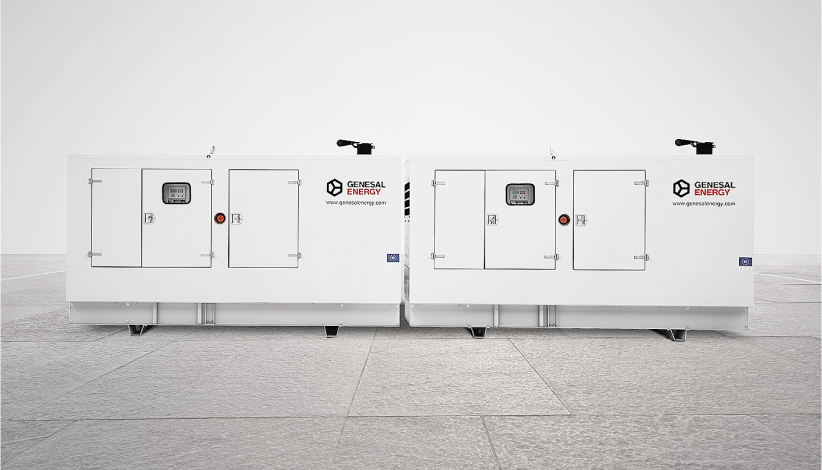
Genesal Energy has designed two open airport generator sets adapted to the existing room in Enaire’s Pico de la Gorra radioelectric complex in Gran Canaria. In the event of a mains failure, these sets shield the correct functioning of the system.

Each unit is fitted with inlet and outlet silencers to minimise noise and redundant leak-detection in order to ensure maximum respect for the surrounding area.

Cutting-edge engineering applied by our experienced personnel who have implemented a design that guarantees the energy autonomy of the radio control centre.  A 1,000 litres main tank from which fuel is transferred to the 350 litres base-frame inserted one.

Our Engineering solution

Two open type generators were developed, each with a 350 litres base frame inserted fuel tank. In addition, they have an automatic fuel transfer system from a main tank. Air inlet and outlet silencers were fitted to the existing generator room, keep the noise level in a minimum.

Features

  • Calculations of necessary cross-sections for air inlet and outlet in the room. Made-to-measure hopper and bellows.
  • Oversized exhaust silencer.
  • Inlet and outlet silencers for -30 dB(A).
  • ComAp InteliLite control panel.
  • 350 L base frame inserted fuel tank.
  • Tank with inspection cover and fuel sight glass.
  • 1,000 L double-walled main tank.
  • Fuel transfer system with electric and manual pump from/to main tank.
  • Remote control panel to replicate the unit’s central control panel.

Genesal Energy takes part in the undersea Greenlink highway project that will bring green energy to Great Britain and Ireland

Greenlink: A huge HVDC interconnector will link Ireland and Great Britain to bring electricity to 350,000 homes.

Greenlink, the colossal engineering project designed to bring clean energy to thousands of people.

The Greenlink HVDC interconnector is an immense undersea highway which features are as spectacular as its construction. The interconnector will have a capacity of 500 MW and a length of 160 kilometres, the distance separating the counties of Wexford in Ireland and Pembrokeshire in Wales. Its entry into service, scheduled for this year, will enable the supply of clean electricity pursuing the aim of achieving zero emissions. This project has been declared a Project of Common Interest by the EU).

Our involvement in the project

For this mega project, delivered by Siemens Energy and Sumitomo Electric, Genesal Energy designed three generator sets to provide emergency power at both ends of the giant interconnector. Three special units developed at our HQ in Northern Spain to guarantee the supply of the two vital facilities in the connection of the electricity grid of Great Britain and Ireland.
“If for any reason there were to be a lack of supply, it would cause a major grid failure”, explains our engineering team, highlighting the importance of having precise, robust and extremely reliable contingency gensets.

Making a difference

For the Greenlink project, our client Siemens Energy requested the generators to be fully operated, controlled and monitored from the genset control panel. The solution we provided consisted of bespoke generators including the following features:

  • Bespoke soundproofing.
  • Great Britain and Ireland Regulations compliant in terms of air conditioning, motorised grilles or liquid retention systems. These latter trays fitted with sensors monitored from the control panel.
  • Integrated into the container Load-Banks so that the generator sets are always in the optimum working load range.


Smart Grids

The Greenlink subsea interconnector project is perfectly in line with our policy of putting innovation at the service of sustainability and the environment. It is also a clear example of a Smart grid or intelligent electrical network that has been conceived to facilitate the transport and distribution of green energy.

2xGEN1100YC Features

  • Power output panel integrated in the same soundproofed container as the genset.
  • Engine coolant recirculation and heating system to provide the right temperature when starting the unit.
  • Air conditioning system in the genset control room.
  • Motorised louvers.
  • Liquids collection tray.
  • Integrated load bank.
  • Surface treatment of the container according to ISO 12944 standard, in C5I finish.

GEN175YI Features

  • 160/175 kVA soundproofed unit. 730 L tank (17 hours autonomy at 100% load) and liquid collection tray integrated in the canopy.
  • Canopy adapted to the customer’s room.
  • Reduced dimensions due to space limitations.
  • Canopy designed to be attached to the wall. The doors on the side were sized to open accordingly.
  • -30 dB(A) Exhaust gas silencer.
  • 80 kW Resistor Load Bank, with 4 automatic steps of 20 kW each, integrated in the Canopy.
  • Interior Space Lighting.
  • C5M Surface treatment in accordance with the ISO12944 standard.

We supply power to CECOEL, the Big Brother of Spain’s grid.

The CECOEL (Electricity Control Centre) controls every inch of the national electricity grid to ensure that the supply is perfect.

This organisation, dependent on Red Eléctrica, has its headquarters in Alcobendas (Madrid).

This operations centre performs real-time supervision of all the generation and transmission facilities of the national electricity system. The CECOEL operates 24/7, 365 days a year.

All the instructions for the correct programming of national electricity production and international exchanges to meet variations in electricity demand are issued from its offices. It also issues the operating instructions for the elements of the transmission grid to ensure that the control variables remain within the established parameters.

CECOEL secures the quality of supply and restores service when an incident occurs. Its maintenance must be optimal, and this is where generators come into play. In the event of a power failure in the grid and the hypothetical risk of a nationwide system outage, emergency power is crucial as part of the safety protocols.

Project development

As part of the organisation’s maintenance and modernisation plan, Genesal Energy replaced the existing generator set with a last-generation unit in a new location, further away from the main CECOEL offices. This way, the operation of the generator set would not alter the normal activity of the different departments in the slightest.

Extra fuel tank

Genesal Energy designed, manufactured and supplied this genset and also an additional tank – for which a large crane was required – in order to provide the genset with a high level of autonomy. Transfer pumps and the installation of connecting pipes between the unit and the tank completed the project.

Features

Special soundproofed Canopy. The unit starts by external command.

  • Internal tank with liquid collection tray.
  • 4000 litres Certified External tank double-walled (steel-steel).
  • Redundant automatic fuel transfer system between both tanks.
  • Automatic start-up control panel manufactured to customer specification.
  • Fuel consumption meter for carbon footprint calculation.
  • FATs were carried out with a load bank and in the presence of the client to verify compliance with all the requirements.

Genesal Energy emergency power for a mobile water-generation plant

Water-generation plants extract water from the environment, concentrating and purifying it inside the equipment.

This type of mobile infrastructure makes it possible to bring drinking water to remote areas where access to it is very scarce or even non-existent.

Genesal Energy has just supplied a custom generator set for one of these plants. These devices operate in emergencies or natural catastrophes. They also play a fundamental role in places where there is a lack of water infrastructures.

Among other projects we have designed for this sector, we have manufactured and supplied a tailor-made 20ft DV container generator set.

What was the objective?

The solution developed by our engineers focused on powering the entire series of elements that are installed inside the container itself. The Engineering Department also points out the specific characteristics of the place, e.g. the humidity conditions, where the generator set is going to operate.

Importance of a generator set.

A genset is the main source of power for these plants, which are often installed in remote locations where the infrastructure is very poor. They are often commissioned in areas where there is not even access to a conventional power grid.

Customer need

The client needed a generator set with a great autonomy and the necessary robustness to be able to be transported through unconventional places where cargos are subjected to high stresses due to the shakings.

The small area available was also a handicap. It “forced us to build a fairly high base frame for generators of this power rate in order to reach the fuel capacity required for the requested operating hours”, our technicians explain. “We had to make reinforcements and frames for the container, completely different elements from the standard ones”, they underline.

Eventually, the engineering department was able to design the container as required by the customer in order to be able to install the rest of the elements.

Features:

  • Specially designed container meeting customer’s requirements.
  • Custom-designed base frame, adapted to the location and space reserved by the customer inside the container.
  • 1000 L base frame integrated fuel tank.
  • RAL colour required by the customer.

Genesal Energy increases its presence in the UK generator healthcare industry providing the Eastbourne hospital

The design of generator sets for the healthcare sector must meet many criteria, but there are two without which achieving optimum performance would be virtually impossible: power and silence.

Genesal Energy Health generator sets complies with both – high power and soundproofing – ensuring normal operation in the event of any power failure or incident.

One of our latest projects has been delivered for the United Kingdom, reinforcing the power supply for Eastbourne Hospital, in the Southeastern County of East Sussex.

Power

The town of Eastbourne has a population of almost 100,000 and its hospital is a speciality centre that covers the demand of not only the city but also the small surrounding towns, making it one of the main health facilities in the county.

The project developed by our engineering department consisted of extending the emergency network designing, manufacturing and commissioning two new powerful and silent hospital generators, guaranteeing an average sound pressure level of 75 decibels at one metre at all times.

As with other special turnkey projects, the generator sets at Eastbourne Hospital have a number of features that set them apart. These are the main ones:

FEATURES:

  • Walls fitted with high-thickness acoustic panels and a synthetic foil for special soundproofing, guaranteeing also EI120 fire resistance.
  • Outlet Air silencers fitted to the container and Inlet Air silencers integrated into the container.
  • Mitsubishi engine fitted with a Mecc Alte alternator on a base frame.
  • Certified 1000-litre double-walled (steel-steel) tank inside the container.
  • Exhaust gas silencers providing -40 dB attenuation.
  • C5 paint surface treatment, according to ISO12944.
  • Automatic fuel transfer system.
  • Special power outlet busbars for coupling to the busbar trunking system.
  • Motorised air inlet and outlet louvers and indoor space heaters.

Genesal Energy takes part on the 17th DCD Connect Madrid

This forum will bring together more than 1,400 leading national and international professionals from the data centre sector for two intense days.
Meet us at DCD Connect Madrid

Genesal Energy will attend the 17th edition of the prestigious DCD Connect Madrid event, scheduled for 21st and 22nd of May in Madrid. The Galician company will highlight its role as a key partner in the supply of distributed energy. In addition, this edition will be especially significant, as Genesal Energy will attend in collaboration with one of its trusted suppliers, the French company Moteurs Baudouin.

During this networking event, Genesal Energy’s CEO – Jose Manuel Fernández – together with the national sales manager – Miguel Vieites – will represent the company and share experiences with the attendees. They will showcase  the latest innovations designed by Genesal for critical installations.

DCD Connect is recognised as an experiential event that allows for the exchange of knowledge and the exploration of the most advanced technologies to meet an ever-increasing demand. As in previous editions, it will be attended by world leaders in the data centre industry.

Genesal Energy, tailor-made energy

Genesal Energy, based in the Northwest of Spain, stands out as a business group dedicated to the distributed energy sector. With a strong focus on innovation, specialisation and sustainability, the company designs, manufactures, and supplies high quality generator sets worldwide. Internationalisation is central to its business strategy, with more than 70% of its turnover coming from exports. It also has subsidiaries in Mexico and Peru, and its products are marketed in more than 40 countries.