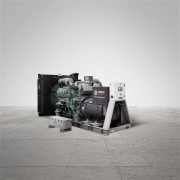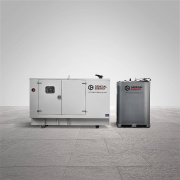
Our power conquers Africa: special gensets to withstand the extreme heat

Ensuring power supply in isolated areas is one of the guarantees that Genesal Energy provides its clients.

Our gensets are prepared to withstand extreme climate conditions, from temperatures below zero to the highest on the planet.

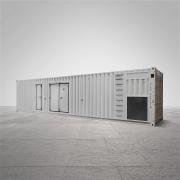
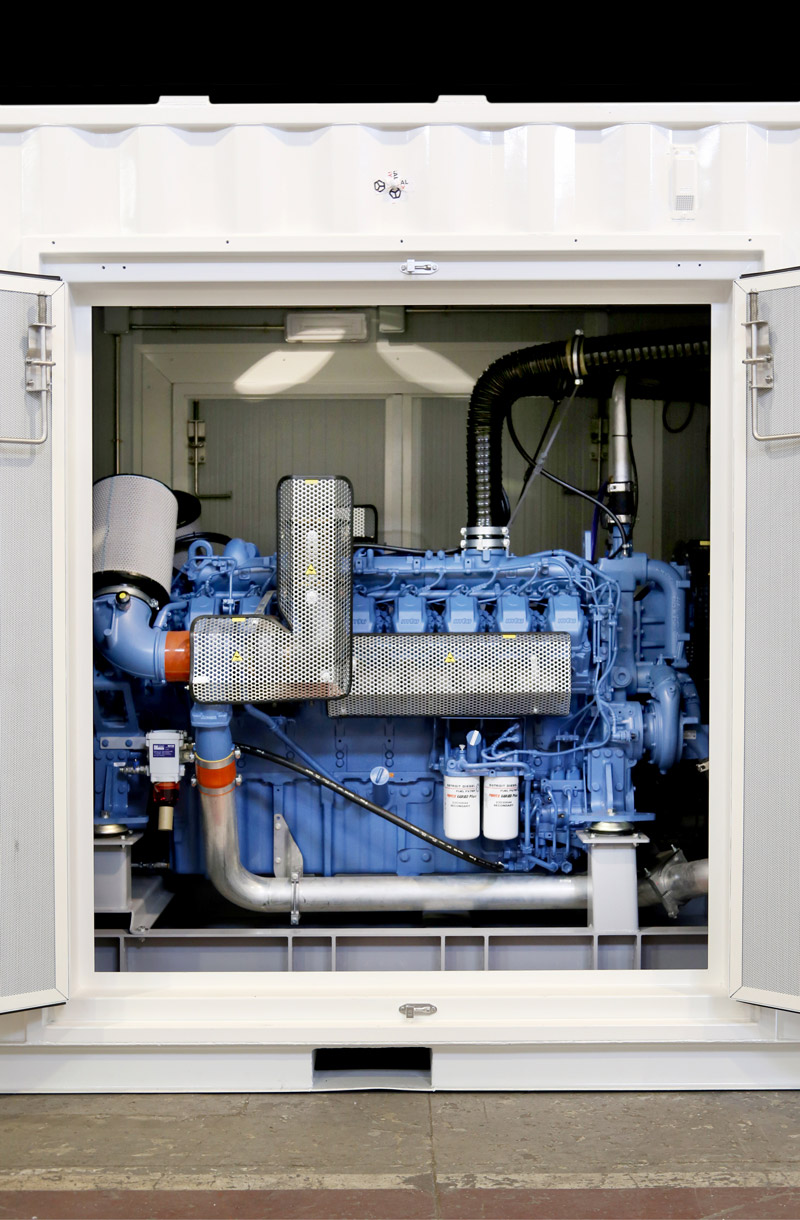
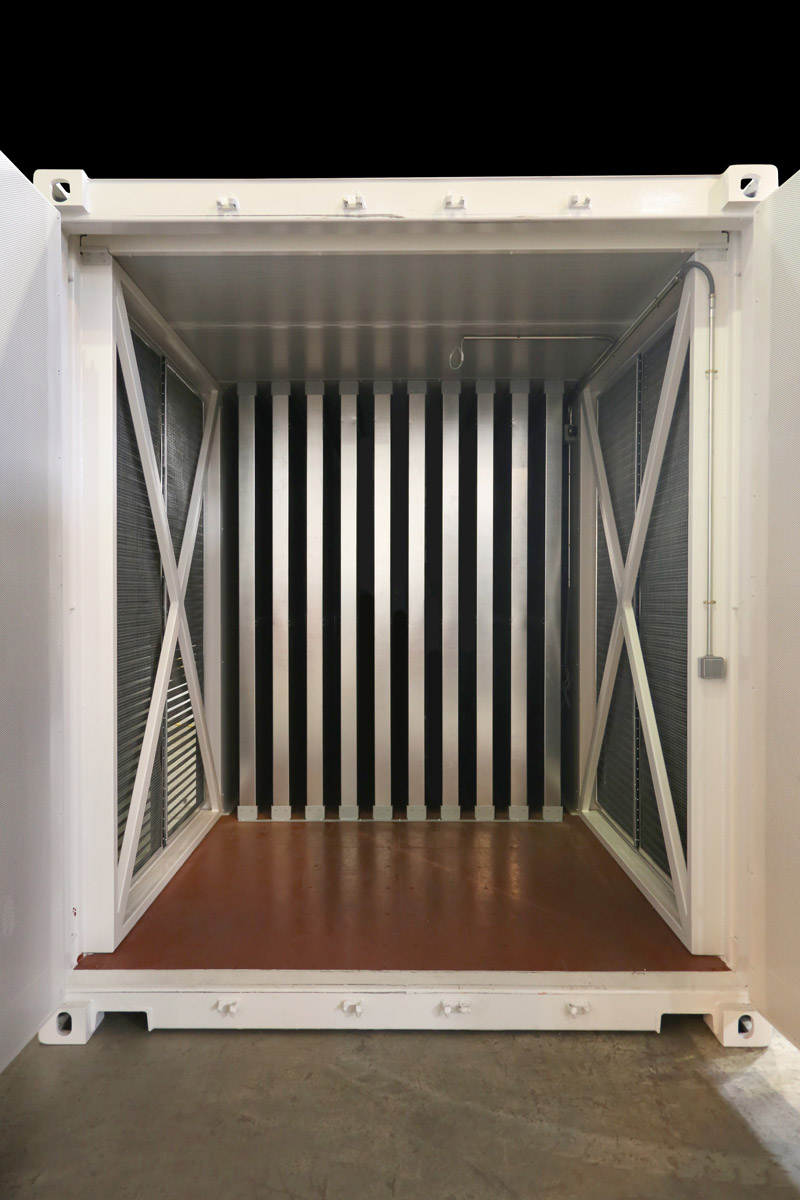
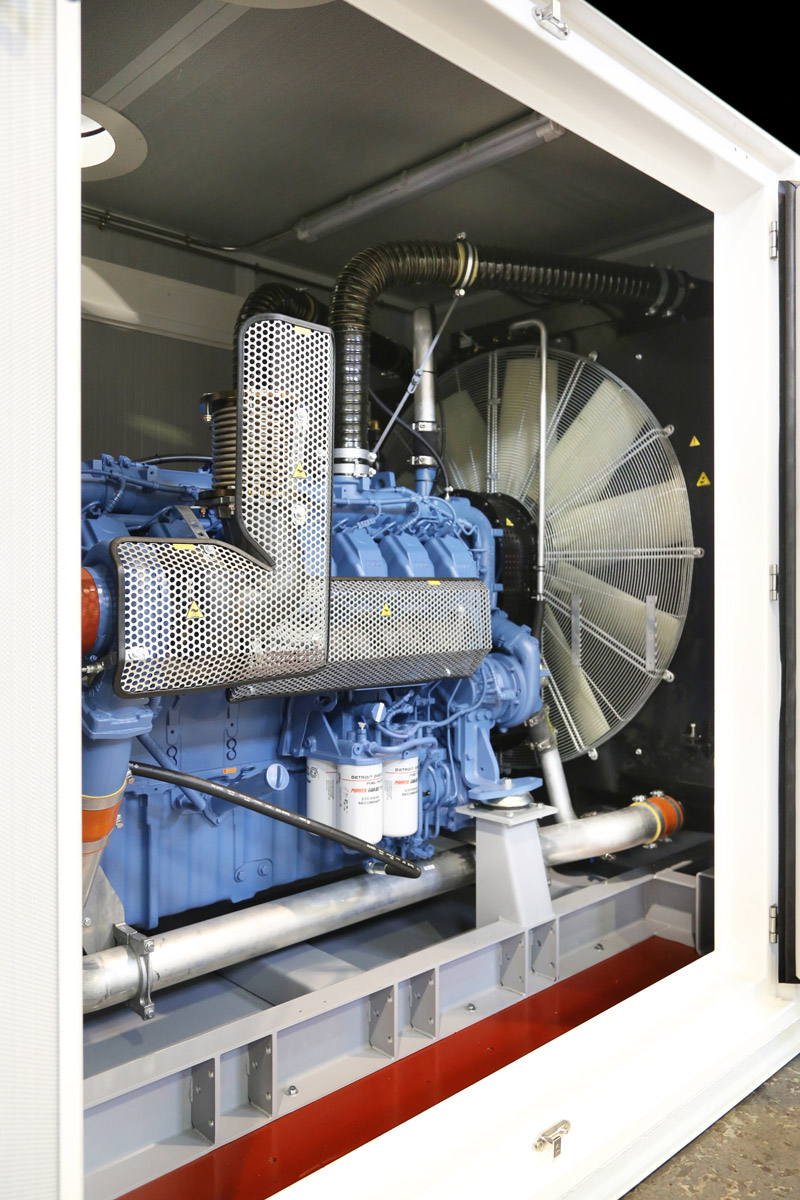
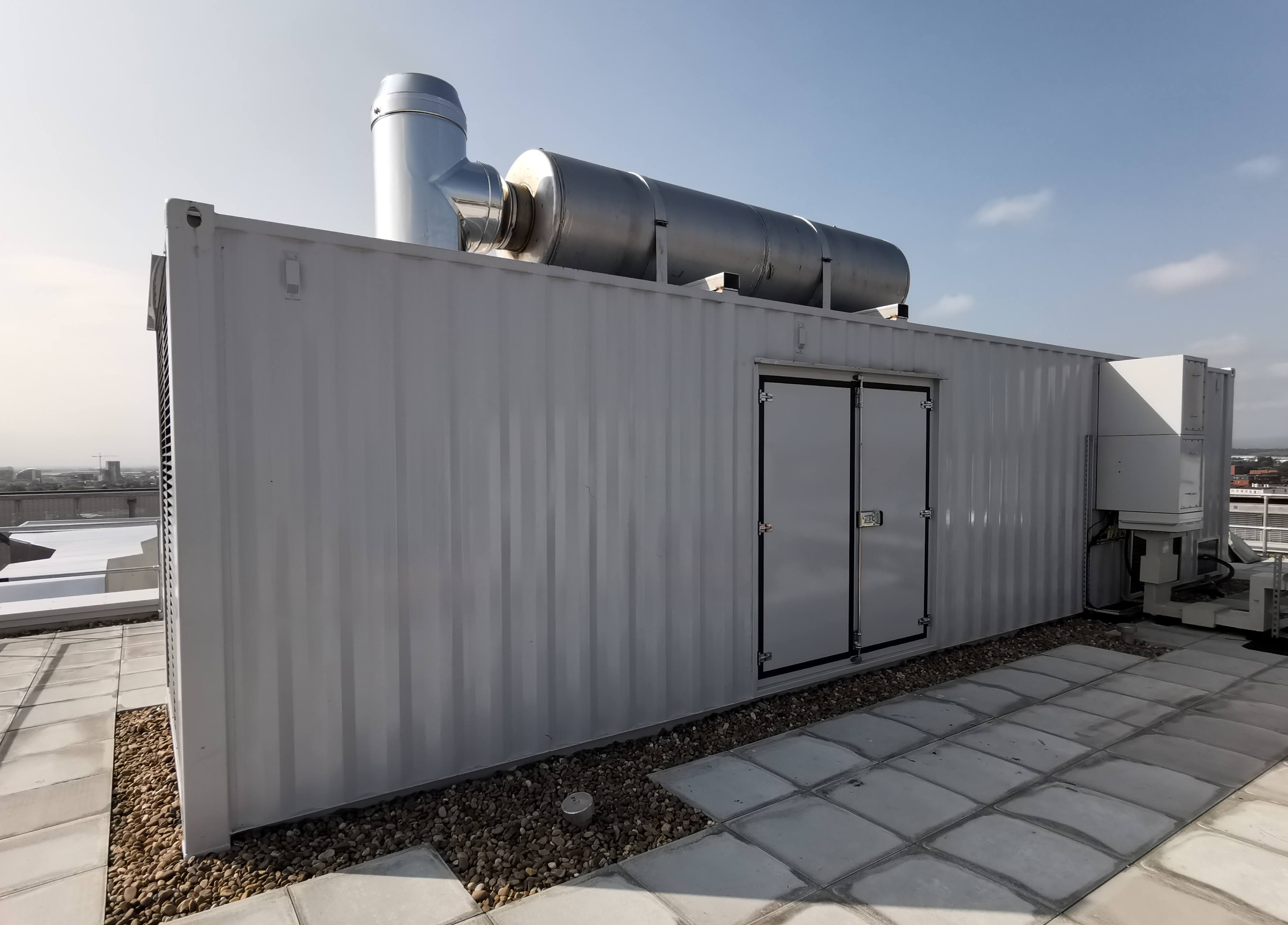
One of our latest projects has taken us to Africa, a continent full of contrasts and a real challenge from an energetic point of view. In Gambia, Guinea Bissau and Guinea Conakry, we’ve supplied emergency power for electric substations in these three countries. We designed, manufactured and supplied nine completely customised gensets, adapted to operate in the different substations.

We searched for the best solutions for our client which would completely cover their needs, that’s why the nine gensets have been designed to operate in perfect condition in isolated areas and at temperatures of up to 45°C.

Características

  • Spare parts kit for extensive operation.
  • 1000L fuel tanks for increased autonomy.
  • Fuel filters with water separators to ensure operation with low-quality fuel.

Statement COVID-19


Dear suppliers and clients:

Due to the global pandemic caused by COVID-19 and following health recommendations as well as those by other administrations, at Genesal Energy we have adopted a series of preventive measures, while attempting to alter the company’s normal operation as little as possible, and remaining within the provisions, in their totality, contained in the Royal Decree 463/2020, of the 14 th of March, through which the current state of emergency has been declared for the management of the health crisis caused by the COVID-19. Therefore, from today onward, and, in principle, while the state of emergency lasts, all Genesal Energy staff members that are able to work from home will begin telecommuting, and new work shifts have been established in the different divisions in order to optimize resources in this exceptional situation. These decisions, which affect internal organization, have been made in order to minimize the impact of COVID-19 and as a question of social responsibility. This is our contribution to avoid spreading the virus and to be able to resume normal operation as soon as possible.

Although the company will continue, through all means possible, to operate at its usual level, we urge our suppliers and all clients who work with us to please cooperate by prioritizing communication via email (genesal@genesal.com) or through the e-mail address of each relevant staff member, as this will be the main channel of communication during the following weeks. In all cases, contact via our telephone number 981 674 158 will remain open.

On behalf of each staff member of the Genesal Energy group, we express our support to those affected by the coronavirus as well as our gratitude and solidarity to all health personnel who is working hard to keep the virus under control.

Sincerely,
Genesal Energy Board of Directors.

How do variables affect Generator Sizing?

Analyzing the effect of voltage and frequency drops is indispensable for deciding which engines and alternators are more adequate for a generator.

Voltages are not a static phenomenon. They fluctuate resulting in peaks and drops during certain phases of the equipment’s functioning.

In fact, when we speak about circuits we distinguish between two types of situations:

  • The steady condition: It is the stationary situation of normal functioning in which the voltage ows in a balanced state according to the conditions determined by the network.
  • The transitional state: it occurs in certain periods of time in which the voltages and electrical intensities vary, before the circuit comes to its steady state and becomes stabilized.

The voltage variations occurring during these transitional periods are known as variables.

When do variables occur?

Logically, the normal situation in which variables occur is when we cause a circuit to pass from one condition to another, i.e. at the moment of connecting or disconnecting the equipment.

In fact, when we switch on and off a generator, short voltage peaks are triggered. Although they tend to end by themselves, we must not take them easily. Why is that? Because if the alternator and the engine happen not to be capable of coping with them, major functioning problems may ensue in the generator.

A matter of analysis

For this reason, in the process of designing and sizing a generator, it is indispensable to carry out a strict variable analysis.

Do you want to know the keys to be able to do this analysis?

Fill in the form to receive the complete article with all the details.


At Genesal Energy we advise our clients and offer them the solution which best adapts to their project.

Discover how to configure your generator set

We supplied an emergency genset with an aseismatic system for the Carrasco electrical substation (Bolivia)

Guaranteeing power supply in extreme situations is one of Genesal Energy’s specialties. Genesal’s emergency genset designs are always carried out according to the client’s needs.

The Carrasco electrical substation, in Cochabamba (Bolivia), is one of our latest projects in the country and a great example of seismic engineering.

For the Carrasco substation, the client needed a genset with very specific needs, as the installation is located in a very sensitive area, which is quite vulnerable to earthquakes. With the objective of facing this possibility and avoiding a catastrophe, our engineering team carried out a thorough study after listening to the client and analyzing the site in which the genset would be installed.

Upon receiving all required information, Genesal Energy manufactured a very precise genset, with all the necessary special systems to protect the Carrasco electrical substation. The result is a unit which, amongst other features, has anti-seismic mounts, and spring mounts between the base frame and the floor. A vent for the channelling of the cooling air to the outside, and a 1.700 litre fuel tank -which in this case was reinforced to comply with anti-seismic regulations- are just a few examples of the features of this genset, whose goal is to avoid failures in the mains supply which provides power to millions of citizens, at all times.

Features

  • Anti-seismic mounts.
  • Spring mounts between the baseframe and the floor.
  • Vent for the channelling of the output cooling air to the outside.
  • Reinforced 1700 litre baseframe fuel to comply with anti-seismic regulations (without certificate).
  • IVECO NEF67 TE2A engine at 24V.
  • Mecc Alte ECO 38-2S alternator at a voltage of 380/220.
  • 3400×1350 mm soundproof canopy.
  • RAL 9002 genset colour.
  • IEC61850 communication.

Genesal emergency power for Topolobampo III, the combined-cycle power plant which will provide electricity to 2,5 million Mexican citizens

The Topolobampo III combined-cycle power plant, located in the Mexican state of Sinaloa features a special soundproof genset, with a control cabinet integrated inside the container, designed and manufactured in our headquarters in Bergondo (A Coruña).

With an investment of more that 400 million dollars, Topolobampo III is the latest great power generation project in Mexico, a country in which our company has a great presence, and where it has had its own branch office for years. The 767 megawatts (MW) combined-cycle power plant, carried out by the Mexican Federal Electricity Commission (CFE), is located in the municipality of Ahome, and will provide electricity to more than 2,5 million citizens. The plant will begin operating in 2020.

Due to our strong presence in Mexico and our knowledge of its terrain, the genset designed for Topolobampo III was adapted to the special conditions of this type of combined-cycle power plant, which contains special loads which must be permanently powered for the correct operation of the facilities. For instance, the lubrication pumps or cooling units must always be operational so that, in the event of an emergency such as a power outage, the whole system can be shut down securely. This is precisely the function of the genset we manufactured for the plant.

Made-to-measure

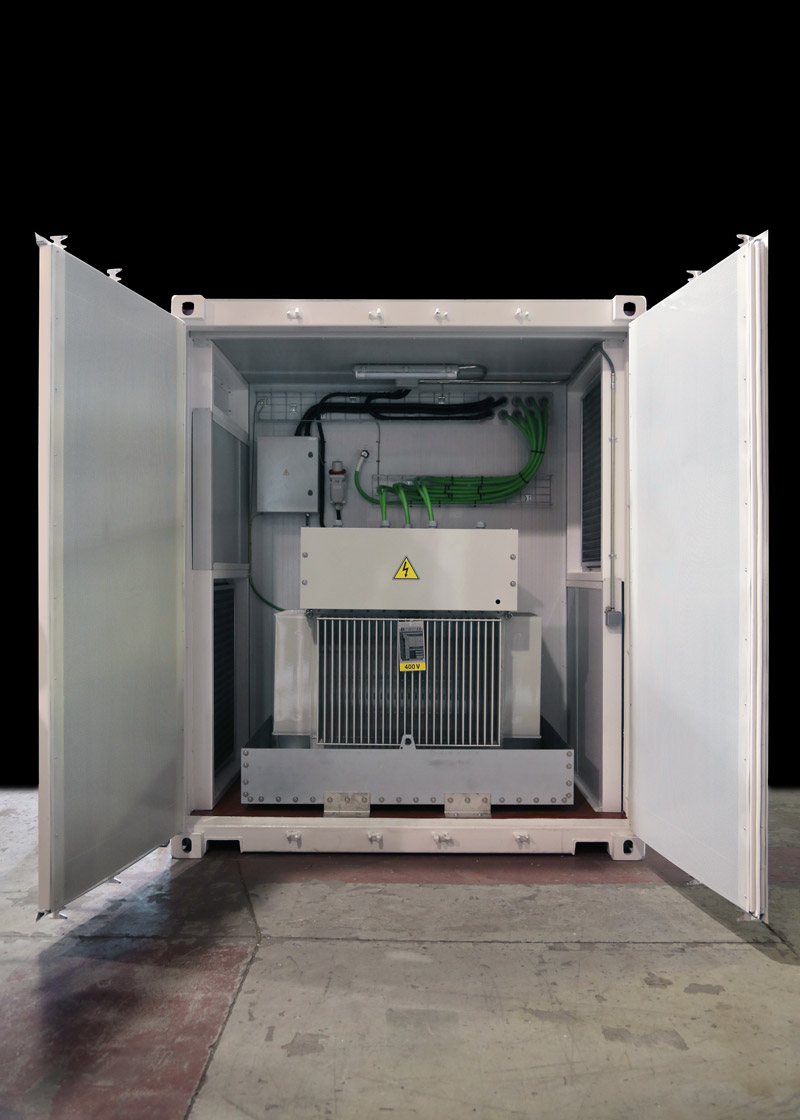
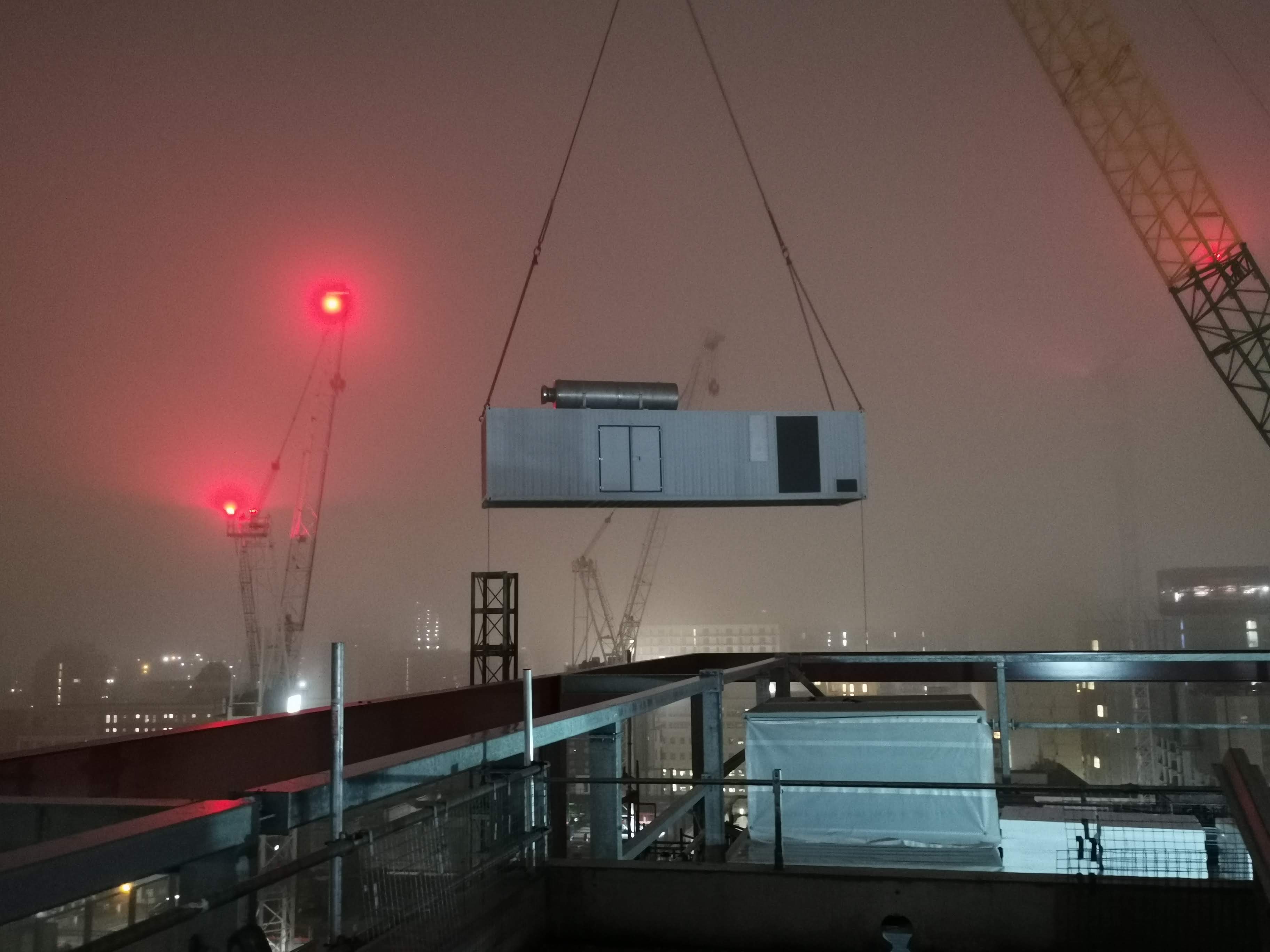
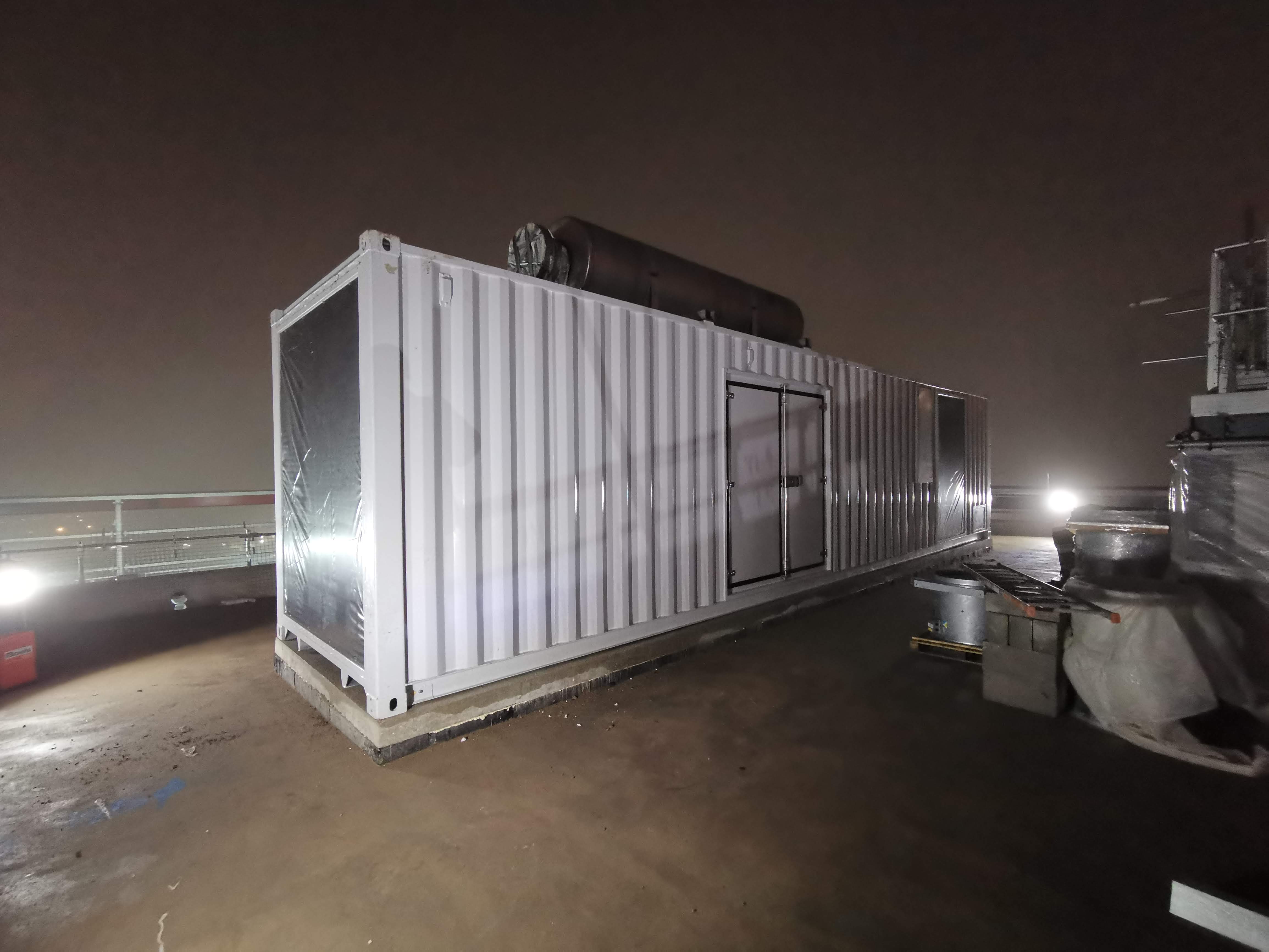
We designed a bespoke genset, soundproofed in a container which was also tailor-made with specific elements (air conditioning, motorized louvers, fans, etc.), manufactured to adapt to the client’s concretes needs.

Furthermore, the automation of the genset allows the necessary integration of the external ATS and the different switches managed by the genset, so that the start-up and stop sequence expected by the client is followed at all times.

Due to space limits, a fuel capacity of 4000L was integrated inside the container through double-walled fuel tanks to guarantee the continuous operation of the genset for over 10 hours at 100% load. The unit is also designed to start up without the need of any type of external voltage, without needing secure voltage for the control circuit.

Main Features

  • Exterior build: 40’’ HC container suitable for marine transport 
  • Control cabinet integrated inside the container 
  • Engine cooling liquid recirculation and heating system, in order to provide the right temperature for genset start-up. 
  • Air conditioning system in the genset’s control room. 
  • Motorized louvers in the air inlet and outlet. 
  • Redundant fans to control the temperature in the engine room.
  • C51 container surface treatment according to the ISO 12944 standard.
  • Alternator anti-condensation heating. 
  • Temperature sensors in the alternator’s windings and bearings. 
  • 4000L fuel tank integrated in the container with leakage detection. 
  • Management of the genset’s control system and associated systems of the client’s facilities through a controller and touch-screen. 

Genesal Energy consolidates its position in the health sector with high precision gensets for large hospitals

The Galician company increases its national presence with emergency gensets for the new hospitals in Cuenca and Guadalajara.

The design of highly reliable gensets, which allow to continue tending to patients even in the event of a mains failure, is of maximum priority when it comes to supplying emergency gensets to any hospital, and this is a field in which Genesal Energy has reinforced its presence in recent years both nationally and internationally. The very nature of these facilities calls for customised units, and behind each one is a complex engineering development.

The Galician company has consolidated its presence in Spain through new projects carried out hand in hand with Imoel, a company which has specialised in the electricity sector for over 35 years, and which has trusted in Genesal since 2009 for delicate projects such as the expansion of the Guadalajara hospital, where it will supply two 1,500/1,650 kVA gensets, and Cuenca’s new hospital, which while still in its construction phase, will be a magnificent hospital complex with 12 buildings for which Genesal Energy was in charge of designing, manufacturing and supplying three 1,400/1,540 kVA emergency gensets.

Maximum reliability

Both hospitals will include soundproof gensets which were completely tailor-made for the client, and therefore, adapted to the requirements of the buildings in which they will be installed, completely prepared to face any potential incident.

In this sense, all five gensets have a common denominator: to guarantee power supply at all times, as in hospital complexes, any failure in the mains supply can cause serious problems, both for the medical equipment -which nowadays is highly technological, especially in emergency and operating rooms- and the patients alike.

A reference company, both nationally and internationally

Genesal Energy’s participation in these projects is part of the company’s major focus on the health sector, where it’s increased its presence in recent years both nationally and internationally, through the supply of emergency power to hospitals such as the Quito-Sur Hospital, the largest and most modern in Ecuador, a country in which the Galician company is one of th reference brands.

Diesel vs. Natural Gas Generators: Key Differences and Use Cases

Technical article. Gas VS Diesel

The two most common generator types on the market are diesel engine powered generators and those using gas powered engines.

Apart from the fuel powering them, they have other distinctive qualities which make them more or less adequate according to the use we want to give them.

Let’s see what they are.

Note: In this article, “gas” refers to natural gas or liquefied petroleum gas (LPG), not gasoline (petrol). These are commonly used in gas-powered generators, not to be confused with petrol-fueled engines.

Diesel generators

The reliability of a classic

For quite a long time, diesel engine generators have been a standard in the market. Their good reputation was the result of a great flexibility of application, both in industrial and household areas, as well as their robustness and reliability.

This type of generator may be used as a main power supply, as well as for co-generation or emergency applications. They are fully autonomous and may, therefore, function in places which have absolutely no power-supplying networks.

What advantages have made diesel generators so popular?

  • They are more easily disassembled and installed than gas units, making their installation wherever needed a simpler task, while also using a fuel which is easily accessible and more economical than gasoline.
  • They are robust and sustainable, capable of ensuring many hours of yearly operation.
  • Diesel fuel gives high efficiency to the equipment using it because it burns at a much higher temperature than gasoline.
  • Diesel fuel is also very safe because it is less flammable than other types of fuel.

The main disadvantage of this type of generator, as in the case of any machinery which includes a diesel engine, is that it causes high levels of polluting gas emissions. Therefore, the present day diesel generators incorporate an additional antiparticle filtration system that ensures its conformity with the legislation in force.

Natural gas powered generators

Clean and economical energy

Gas engine generators have gained much popularity due to their great reliability, cost efficiency and sustainability.

This type of generator can be used as a primary power source, in co-generation applications or as an emergency source and its engine may be fuelled by liquefied natural gas (LNG) or liquefied petroleum gas (LPG). The latter is a gaseous fuel obtained from the distillation of oil.

Generators powered by LNG fuelled engines get their fuel from the natural gas distribution network, whereas LPG fuelled generators are connected to a tank which will have to be periodically refuelled.

What are the benefits of natural gas powered generators?

  • They are more respectful of the environment, because the gas causes less emission than other non-renewable fuels (such as coal, diesel or gasoline).
  • They are economical, because gas is the most affordable fuel, second only to coal (which is not an option due to its high emission level).
  • They are high-efficiency generators in co-generation applications.
  • When fuelled by an underground natural gas network, the fuel supply is not conditioned by inclement weather or problems with the communication infrastructure (which do condition diesel generators that need periodic refuelling).
  • They are highly compatible and easy-to-use units, given that it is possible to install them in remote locations, using high capacity tanks.
  • They are very quiet generators.

Among the disadvantages of this type of generator, one must consider the following:

  • Liquefied natural gas (LNG) powered generators are less autonomous than diesel engine ones because it is absolutely necessary to connect them to a distribution network.
  • In the case of LNG equipment connected to the network, one has to take into account that any catastrophe or natural disaster can affect the supply system.
  • Gas is an exceptionally flammable fuel and entails a bigger fire hazard than diesel.
  • The engine and control system are much more demanding, which can result in the product’s final price being higher.
  • They require a more punctual and complex maintenance.

Diesel vs Gas Generators: Which One Should You Choose?

Deciding between a diesel or gas-powered generator requires careful consideration of various factors. Each type has its own set of advantages and disadvantages that make them suitable for different applications and environments. Here are the key factors to consider:

1. Application and Usage

  • Primary Power Source: If you need a generator for continuous operation, such as in remote locations without a power grid, diesel generators are often preferred due to their robustness and fuel efficiency.
  • Emergency Backup: Both diesel and gas generators can serve as reliable backup power sources. However, gas generators, especially those connected to a natural gas line, can provide uninterrupted fuel supply during emergencies without the need for refueling.

2. Environmental Impact

  • Emissions: Gas generators produce fewer emissions compared to diesel generators, making them a more environmentally friendly option. This can be a critical factor if you are concerned about meeting stringent environmental regulations or minimizing your carbon footprint.
  • Noise Levels: Gas generators are generally quieter than diesel generators, which can be important in residential areas or locations where noise pollution is a concern.

3. Fuel Availability and Cost

  • Fuel Costs: Diesel fuel is typically more expensive than natural gas, but it provides higher energy efficiency, which can offset the cost over time.
  • Fuel Supply: Gas generators connected to a natural gas line have a continuous fuel supply, whereas diesel generators require regular refueling. However, in areas without natural gas infrastructure, diesel may be the more practical choice.

4. Maintenance and Longevity

  • Maintenance Requirements: Diesel generators are known for their durability and lower maintenance needs. Gas generators, while efficient, often require more frequent and complex maintenance due to the nature of the fuel and engine.
  • Lifespan: Diesel generators tend to have a longer operational lifespan, making them a more cost-effective option in the long run for high-demand applications.

5. Safety Considerations

  • Flammability: Natural gas is highly flammable, posing a greater fire hazard compared to diesel. Diesel fuel, being less volatile, is considered safer to store and handle.
  • Reliability: In situations where natural disasters might disrupt gas supply lines, diesel generators offer greater reliability as they can operate independently of external fuel supply networks.

What About Gasoline Generators?

In some markets, especially in North America, “gas-powered generator” often refers to gasoline-fueled engines. While these are common for small portable generators, this article focuses on natural gas and LPG-powered equipment, typically used in industrial and backup applications.

Frequently Asked Questions

1. What is the difference between a diesel and a natural gas generator?

Diesel generators run on diesel fuel and are known for their durability, fuel efficiency, and high performance in demanding environments. Natural gas generators use either piped natural gas (LNG) or liquefied petroleum gas (LPG), offering lower emissions and quieter operation.

2. Which generator is more efficient, diesel or natural gas?

Diesel generators are typically more fuel-efficient and better suited for continuous use or high-load applications. However, natural gas generators may offer better cost efficiency in areas with existing gas infrastructure.

3. Are natural gas generators more environmentally friendly than diesel?

Yes. Natural gas generators produce significantly fewer emissions, including NOx and particulate matter, making them a more environmentally friendly choice compared to diesel generators.

4. Can a natural gas generator run during a power outage?

Yes, especially if it’s connected to a natural gas grid. These generators can provide uninterrupted fuel supply during emergencies without the need for manual refueling—unlike diesel units.

5. What are the maintenance differences between diesel and gas generators?

Diesel generators require less frequent maintenance and are generally easier to service. Gas generators may require more specialized maintenance due to their fuel system and engine complexity.

6. Which type of generator lasts longer?

Diesel generators usually have a longer lifespan thanks to their robust design and lower engine RPMs. They’re ideal for intensive use and long-term reliability.

Conclusion

Choosing the right generator depends on your specific needs and circumstances. At Genesal Energy, we understand that every project is unique. Our experts are here to help you assess your requirements and recommend the best solution tailored to your needs. Whether you prioritize environmental impact, fuel efficiency, or operational reliability, we provide comprehensive guidance to ensure you make an informed decision.

For personalized advice and more information, please contact us at:

consultas@genesal.com +34 900 730 124

Design and customisation of one of our generator set’s canopies according to our client’s requirements

Another great achievement by our distributors over in the UK

We have provided a soundproofed 500/550 kVA generator set intended to supply emergency power to one of the country’s Justice administration buildings.

It’s a generator set with a Scania engine and Mecc Alte alternator, installed inside a canopy adapted to the client’s needs, with a special colour and link box.

Features

  • Deep Sea 7310 control panel prepared for startup via external command.
  • 730 L bunded fuel tank, complying with UK norms.
  • Soundproof canopy adapted to the client’s requirements regarding paint colour.
  • Completely customised link box, designed according to the installation’s cables, to be connected up to the genset by the client.

Dereating: how Temperature and Elevation Affect Generators

Testing a generator derating ambient temperature

In certain environmental conditions, generators can suffer power losses. Preventing these will allow us to ensure the maximum efficiency of our equipment.

All engines and alternators are capable of offering 100% capacity when they operate in standard or not so demanding environmental conditions, but when they must function in environments with high ambient temperature or at a high elevation or altitude above sea level, their capacities may be reduced.

The engine manufacturers, for instance, usually guarantee a certain performance provided that some values are not exceeded (generally a temperature of 25ºC and 1000 m above sea level). If these values are exceeded, the user has to bear in mind that, very likely, the engine will not perform at its top capacity.

This loss of power in function of temperature and elevation is known as derating, and is something which has to be very much taken into account when it comes to sizing a generator.

 Generator dereating factor in conditions of altitude

Just as it happens to us human beings as we climb higher above sea level, the lack of oxygen and the low pressure affect the performance of the generator.

Elevation affects all kinds of engines, but this effect is more prevalent in atmospheric engines, which depend upon atmospheric pressure for the air to reach the cylinders adequately.  These losses of power may even occur at elevations below 1000 meters.

In the case of turbo engines, the turbine is capable of countering this air deficit. Therefore, generally, the power derating of this type of engines starts to occur at an elevation of 1000 meters above sea level and its effect is inferior to that affecting atmospheric engines.

The alternator also suffers at a higher elevation, given that with less air it tends to overheat. In general, the majority of manufacturers guarantee that the alternators will not lose power until reaching 1000 meters above sea level. At higher values, the average loss of power is generally of 3% for 500 m of elevation.

Generator performance at high temperatures

Generally, temperature affects generator engines starting at 40ºC. Above this ambient temperature: 

  • The air is already very hot and its quality is no longer optimal to generate good combustion when mixed with fuel. This generates loss of power.
  • The fuel may reach the engine at an excessive temperature, and combustion will not take place in adequate conditions. 
  • The efficiency of the cooling system will be diminished. As a result, if the radiator is not correctly sized, the generator can stop functioning due to an excessive water temperature. 

Generator derating ambient temperature

As far as the alternator is concerned, it is also affected by high temperatures. The majority of manufacturers guarantee the power of their alternators, as long as they operate at an ambient temperature of below 40°C. At higher values, the derating in an alternator is generally of 3% for each additional 5º C.

The importance of having foresight

Given all of the above, when sizing a generator, it is crucial to have a clear understanding of the environmental conditions under which it will operate, i.e.: the inferior and superior limits of ambient temperature and barometric pressure in the setting-up location, as well as the elevation above sea level at which the equipment will be located. 

With this clear information provided, we, the engineers, shall be able to foresee and counter the effects of power derating, selecting the most adequate engines and alternators for each equipment.

If your project will be carried out in extraordinary environmental conditions, we at GENESAL ENERGY can advise you and size your generator in such a way that your ideas never lack power.

Made-to-measure design of the structure and cooling system of one of our generator sets

At Genesal, we design each generator set with diverse elements; elements which have been thought out and tailor-made according to the client’s specific needs.

This generator set is a prime example of the made-to-measure structure and cooling design of a genset with particular space requirements. The design allows for the assembly and removal of the genset in its installation area in a simple and practical way.

Features

  • Engine cooled via air intercooler in order to optimize space and avoid the need of great air flow.
  • Baseframe separated into 3 bodies for an easy installation and disassembly, in order to pass the generator set through a tight space.
  • Easily emptied engine and battery liquid collection bund.