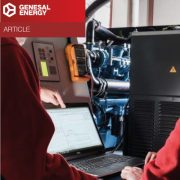
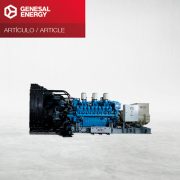
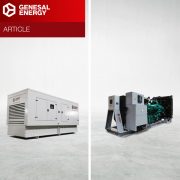
Whether it’s mobile generators for remote construction sites, stationary emergency generators inside factories, or outdoor units operating in urban areas, each setup requires specific conditions that define its design and generator mounting type.
Although requirements can vary, three main factors define the installation and arrangement of a generator:
By addressing these questions, you can determine the most suitable generator installation and mounting solution.
Despite the fact that there is an infinity of personalization options, there are 3 types of installations according to the parameters mentioned above.
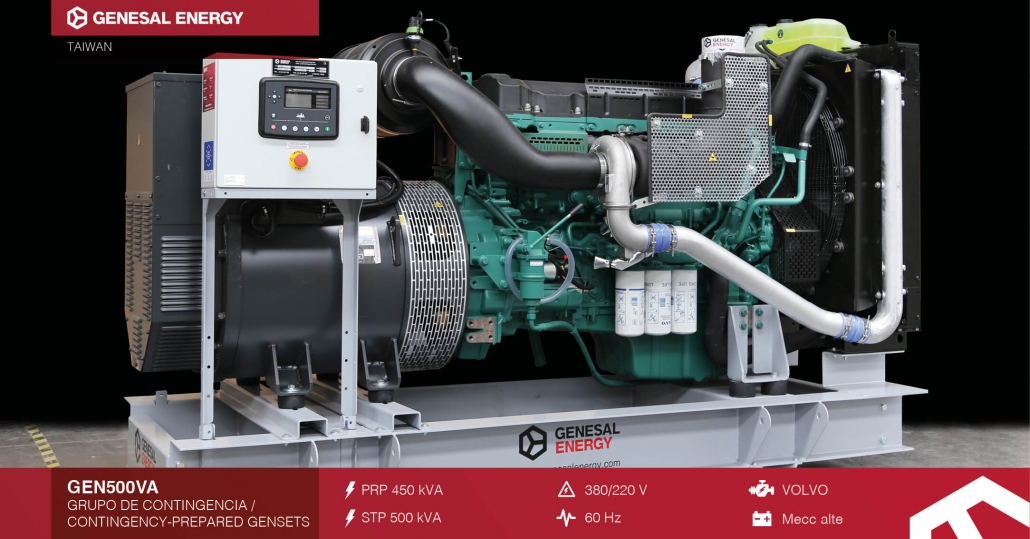
This type of installation is foreseen for projects in which the generator is installed inside a building and it does not need to be moved once installed. Consequently, the generator does not need any casing to protect it from inclement weather, nor does it have any mobility device.
The generator will be installed on a steel bedplate (with or without an integrated fuel tank), capable of sustaining the static mechanical requirements, as well as the vibrations to which the generator will be subjected throughout its service life.
When the generator will be exposed to bad weather conditions, will be stationary and the sound level it produces will have to be low, this type of installation is the ideal one.
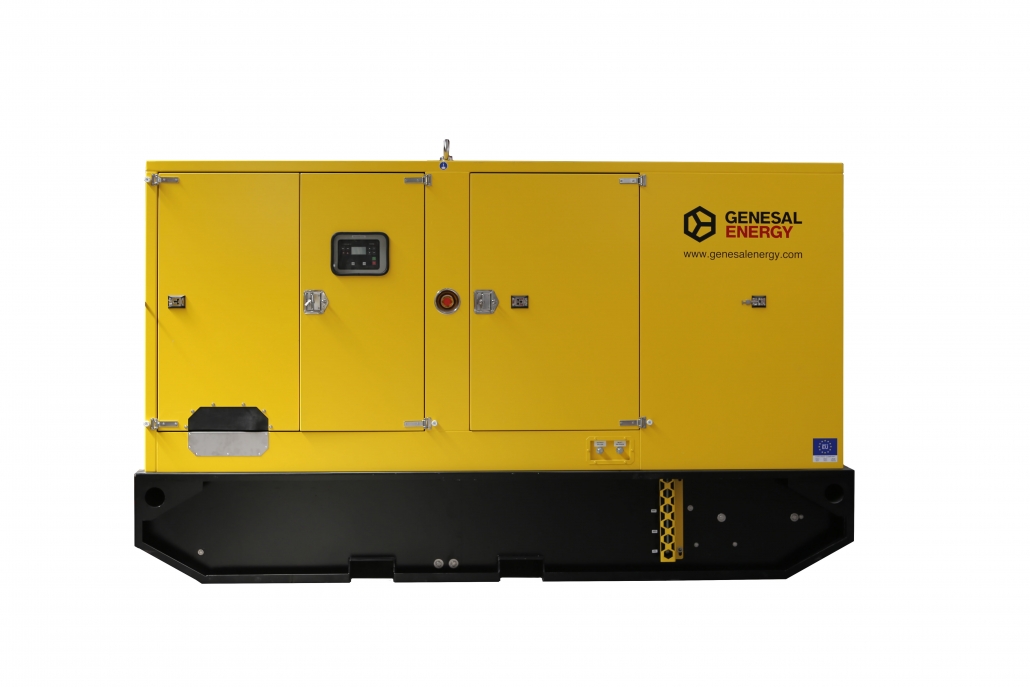
The generator is encapsulated in a galvanized steel cabinet, protecting it from inclement weather. The inner part of the hood is covered by sound-damping material, which allows for the reduction of the sound level which is emitted. Therefore, this type of installation is adequate in applications where noise is a crucial factor.
This is the type of generator which is usually seen in provisional installations (events, film shootings etc.). Its differentiating feature is that this type of generator must have the possibility to be moved to where energy is required; consequently, it will be installed on a trailer.
The device is placed on some special anti-vibration dampers, capable of sustaining the sheer stress (or lateral deformation) which can happen during circulation: factors such as braking, acceleration or bumps. In this way, one manages to protect the monoblock (the engine-alternator group) and to ensure the generator’s functioning and durability.
At Genesal Energy, we provide generators adapted to these three generic categories of installation and arrangement. They can be further personalized in order to adapt in the best way possible to the specific applications that our customers need.
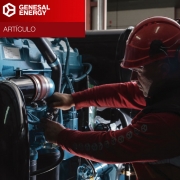
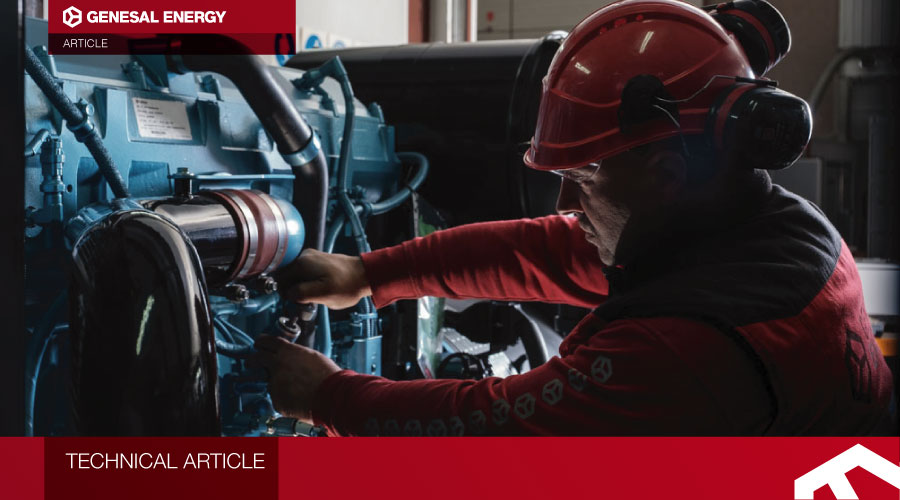
A speed generator set must maintain a consistent engine speed, as this directly affects power frequency and overall performance.
The famous Swiss architect Le Corbusier said that machines are “a fantastic perfection tool”. However, experience tells us that even the most sophisticated machinery is not perfect. Although the mechanical systems are designed to be balanced and deliver based on optimal parameters, one must take into account that there are always some factors which can alter their efficiency.
The speed of an engine, for example, may be affected by a drop in voltage or by power surges. And, in the case of generators, such variations are of critical importance, given that the engine speed directly determines its operating frequency.
Logically, this can entail a problem, because the thing that interests us about a generator is that it be capable of maintaining the most stable power possible around a certain value.
The good news? Everything is foreseen and technology provides us with the solutions for the engines never to lose direction.
At present, the engines powering electrical generators contain a speed regulator for speed control.
The function of this regulator is to detect any imbalance in the engine speed and to cause it to revert quickly to its optimal working regime.
Thanks to this device, our generator’s engine will always keep a constant rhythm. In this way, the generator will be capable of always complying with the requirements of the load, giving us the power that we need to obtain.
Moreover, the speed regulator acts as a security device, because it protects the engine from excessive speeds which can cause the engine to break down.
Engine speed in generators is controlled by a speed governor, also known as a generator speed controller. This device monitors the engine’s RPM and adjusts the fuel supply to maintain a stable speed under varying load conditions. In modern generator sets, this can be mechanical, electronic, or a combination of both systems.
At GENESAL ENERGY, we offer you diesel generators equipped with three different types of governed engines:
All of these are designed to recuperate the working frequency, both after a load impact and after a sudden drop thereof.
At the same time, in the engines with mechanical speed regulation, we apply a parameter called “speed drop” or “droop”. This parameter represents the percentage of over-speeding that the engine is experiencing when it is operating without a load, compared to the nominal speed (at full load). Once we have calculated this, we can configure the engine so that it quickly stabilizes when a load is applied to it.
a:7:{s:8:”location”;a:1:{i:0;a:1:{i:0;a:3:{s:5:”param”;s:12:”options_page”;s:8:”operator”;s:2:”==”;s:5:”value”;s:14:”theme-settings”;}}}s:8:”position”;s:6:”normal”;s:5:”style”;s:7:”default”;s:15:”label_placement”;s:3:”top”;s:21:”instruction_placement”;s:5:”label”;s:14:”hide_on_screen”;s:0:””;s:11:”description”;s:0:””;}
Dear suppliers and clients:
Due to the global pandemic caused by COVID-19 and following health recommendations as well as those by other administrations, at Genesal Energy we have adopted a series of preventive measures, while attempting to alter the company’s normal operation as little as possible, and remaining within the provisions, in their totality, contained in the Royal Decree 463/2020, of the 14 th of March, through which the current state of emergency has been declared for the management of the health crisis caused by the COVID-19. Therefore, from today onward, and, in principle, while the state of emergency lasts, all Genesal Energy staff members that are able to work from home will begin telecommuting, and new work shifts have been established in the different divisions in order to optimize resources in this exceptional situation. These decisions, which affect internal organization, have been made in order to minimize the impact of COVID-19 and as a question of social responsibility. This is our contribution to avoid spreading the virus and to be able to resume normal operation as soon as possible.
Although the company will continue, through all means possible, to operate at its usual level, we urge our suppliers and all clients who work with us to please cooperate by prioritizing communication via email (genesal@genesal.com) or through the e-mail address of each relevant staff member, as this will be the main channel of communication during the following weeks. In all cases, contact via our telephone number 981 674 158 will remain open.
On behalf of each staff member of the Genesal Energy group, we express our support to those affected by the coronavirus as well as our gratitude and solidarity to all health personnel who is working hard to keep the virus under control.
Sincerely,
Genesal Energy Board of Directors.
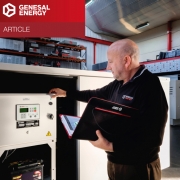
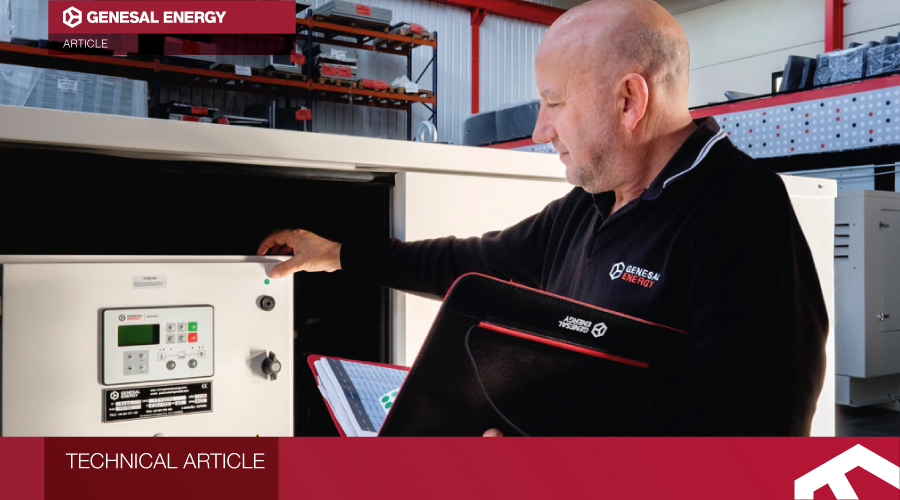
Logically, the normal situation in which variables occur is when we cause a circuit to pass from one condition to another, i.e. at the moment of connecting or disconnecting the equipment.
In fact, when we switch on and off a generator, short voltage peaks are triggered. Although they tend to end by themselves, we must not take them easily. Why is that? Because if the alternator and the engine happen not to be capable of coping with them, major functioning problems may ensue in the generator.
For this reason, in the process of designing and sizing a generator, it is indispensable to carry out a strict variable analysis.
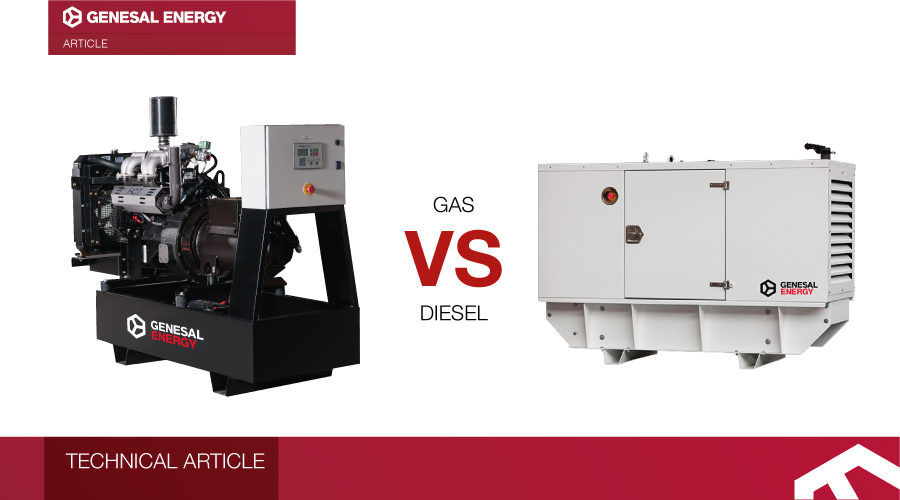
The two most common generator types on the market are diesel engine powered generators and those using gas powered engines.
Apart from the fuel powering them, they have other distinctive qualities which make them more or less adequate according to the use we want to give them.
Note: In this article, “gas” refers to natural gas or liquefied petroleum gas (LPG), not gasoline (petrol). These are commonly used in gas-powered generators, not to be confused with petrol-fueled engines.
The reliability of a classic
For quite a long time, diesel engine generators have been a standard in the market. Their good reputation was the result of a great flexibility of application, both in industrial and household areas, as well as their robustness and reliability.
This type of generator may be used as a main power supply, as well as for co-generation or emergency applications. They are fully autonomous and may, therefore, function in places which have absolutely no power-supplying networks.
The main disadvantage of this type of generator, as in the case of any machinery which includes a diesel engine, is that it causes high levels of polluting gas emissions. Therefore, the present day diesel generators incorporate an additional antiparticle filtration system that ensures its conformity with the legislation in force.
Clean and economical energy
Gas engine generators have gained much popularity due to their great reliability, cost efficiency and sustainability.
This type of generator can be used as a primary power source, in co-generation applications or as an emergency source and its engine may be fuelled by liquefied natural gas (LNG) or liquefied petroleum gas (LPG). The latter is a gaseous fuel obtained from the distillation of oil.
Generators powered by LNG fuelled engines get their fuel from the natural gas distribution network, whereas LPG fuelled generators are connected to a tank which will have to be periodically refuelled.
Deciding between a diesel or gas-powered generator requires careful consideration of various factors. Each type has its own set of advantages and disadvantages that make them suitable for different applications and environments. Here are the key factors to consider:
In some markets, especially in North America, “gas-powered generator” often refers to gasoline-fueled engines. While these are common for small portable generators, this article focuses on natural gas and LPG-powered equipment, typically used in industrial and backup applications.
Diesel generators run on diesel fuel and are known for their durability, fuel efficiency, and high performance in demanding environments. Natural gas generators use either piped natural gas (LNG) or liquefied petroleum gas (LPG), offering lower emissions and quieter operation.
Diesel generators are typically more fuel-efficient and better suited for continuous use or high-load applications. However, natural gas generators may offer better cost efficiency in areas with existing gas infrastructure.
Yes. Natural gas generators produce significantly fewer emissions, including NOx and particulate matter, making them a more environmentally friendly choice compared to diesel generators.
Yes, especially if it’s connected to a natural gas grid. These generators can provide uninterrupted fuel supply during emergencies without the need for manual refueling—unlike diesel units.
Diesel generators require less frequent maintenance and are generally easier to service. Gas generators may require more specialized maintenance due to their fuel system and engine complexity.
Diesel generators usually have a longer lifespan thanks to their robust design and lower engine RPMs. They’re ideal for intensive use and long-term reliability.
Choosing the right generator depends on your specific needs and circumstances. At Genesal Energy, we understand that every project is unique. Our experts are here to help you assess your requirements and recommend the best solution tailored to your needs. Whether you prioritize environmental impact, fuel efficiency, or operational reliability, we provide comprehensive guidance to ensure you make an informed decision.
For personalized advice and more information, please contact us at:
consultas@genesal.com +34 900 730 124
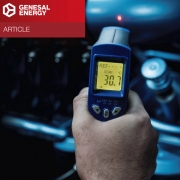
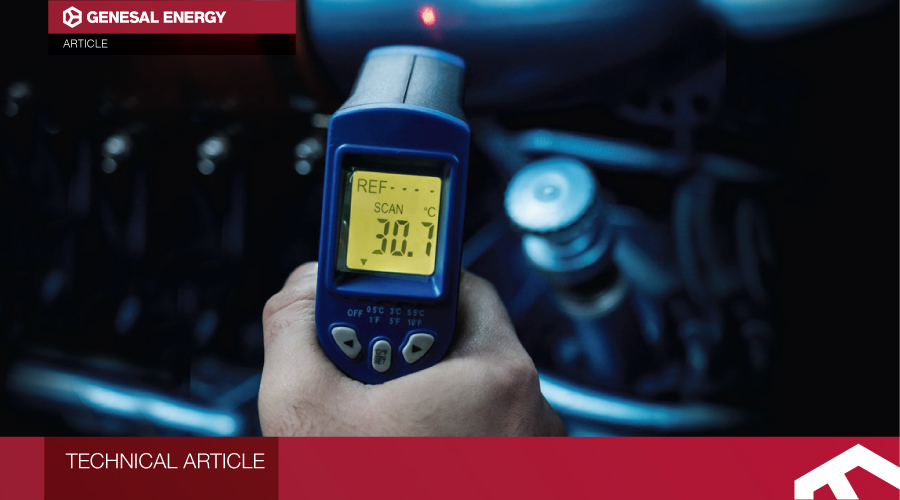
All engines and alternators are capable of offering 100% capacity when they operate in standard or not so demanding environmental conditions, but when they must function in environments with high ambient temperature or at a high elevation or altitude above sea level, their capacities may be reduced.
The engine manufacturers, for instance, usually guarantee a certain performance provided that some values are not exceeded (generally a temperature of 25ºC and 1000 m above sea level). If these values are exceeded, the user has to bear in mind that, very likely, the engine will not perform at its top capacity.
This loss of power in function of temperature and elevation is known as derating, and is something which has to be very much taken into account when it comes to sizing a generator.
Just as it happens to us human beings as we climb higher above sea level, the lack of oxygen and the low pressure affect the performance of the generator.
Elevation affects all kinds of engines, but this effect is more prevalent in atmospheric engines, which depend upon atmospheric pressure for the air to reach the cylinders adequately. These losses of power may even occur at elevations below 1000 meters.
In the case of turbo engines, the turbine is capable of countering this air deficit. Therefore, generally, the power derating of this type of engines starts to occur at an elevation of 1000 meters above sea level and its effect is inferior to that affecting atmospheric engines.
The alternator also suffers at a higher elevation, given that with less air it tends to overheat. In general, the majority of manufacturers guarantee that the alternators will not lose power until reaching 1000 meters above sea level. At higher values, the average loss of power is generally of 3% for 500 m of elevation.
Generally, temperature affects generator engines starting at 40ºC. Above this ambient temperature:
As far as the alternator is concerned, it is also affected by high temperatures. The majority of manufacturers guarantee the power of their alternators, as long as they operate at an ambient temperature of below 40°C. At higher values, the derating in an alternator is generally of 3% for each additional 5º C.
Given all of the above, when sizing a generator, it is crucial to have a clear understanding of the environmental conditions under which it will operate, i.e.: the inferior and superior limits of ambient temperature and barometric pressure in the setting-up location, as well as the elevation above sea level at which the equipment will be located.
With this clear information provided, we, the engineers, shall be able to foresee and counter the effects of power derating, selecting the most adequate engines and alternators for each equipment.

Power plants, electric substations, DPCs, hospitals, airports, food and telecommunication sectors. Genesal Energy is present in all of these industries thanks to the versatility and high specialization of its equipment. With more than 25 years’ experience (this year the Galician company celebrates its anniversary) and with branch offices in Mexico and Peru, the company is closing 2019 with constant and controlled growth and with its mind on a new year full of projects. Because Genesal Energy’s objective is to continue growing internationally with a presence in new markets like the Asian giant Taiwan, but also nationally by increasing its production capacity with new installations adding up to 3,300 square meters at its central headquarters in Bergondo (province of A Coruña).
Here are some success stories and challenges for the future.
The search for new lines of business within an increasingly competitive market is one of Genesal’s commitments, and the rental line, with some excellent results at the end of the first year of its launch by the company is an excellent example. Reliability and robustness define these gensets destined for the rental market. Following the success of this product line and the official presentation in Mexico, where four generators were subsequently delivered, the company will continue its commitment to these rental products throughout the 2020 fiscal year. They are special products, custom made so as to make maintenance easier, and fitted with state of the art GPS systems for their immediate geolocation in case of theft.
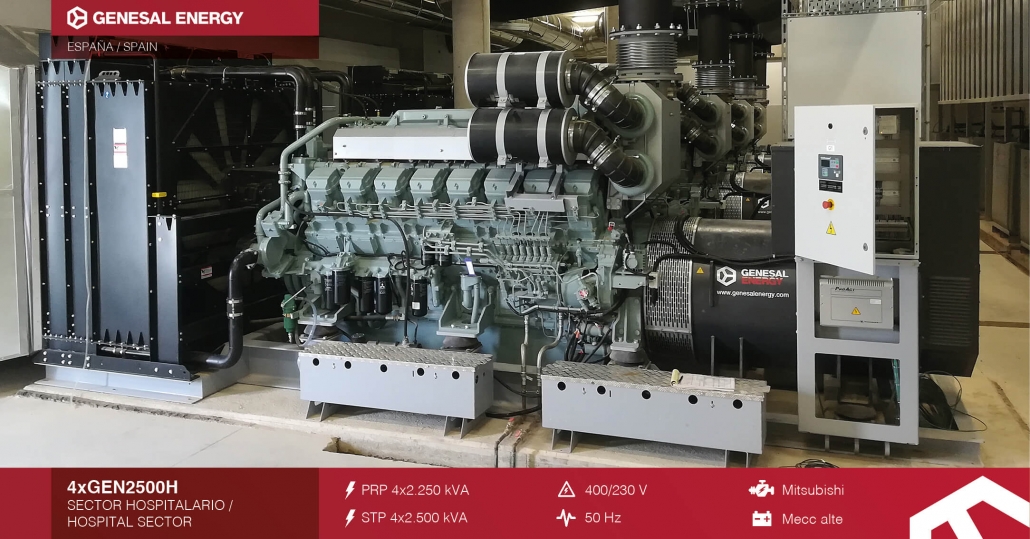
Electricity is vital in hospitals and its absence can have fatal consequences, which is why it is necessary to have state-of-the-art emergency generator systems. Among the projects carried out by Genesal in 2019, a special mention should be given to the supplying of four generators to the new hospital in Toledo which will open in the first semester of the year. They are four generators of 2250 and 2500 kVA which will function in parallel. Outside Spain, Genesal Energy offers a turnkey service to Montero Hospital (Bolivia): three 410-450 kVA generators, which are soundproof, one of them automatic, the other two in parallel with the air outlet on the upper side in order to fit in with the installation.
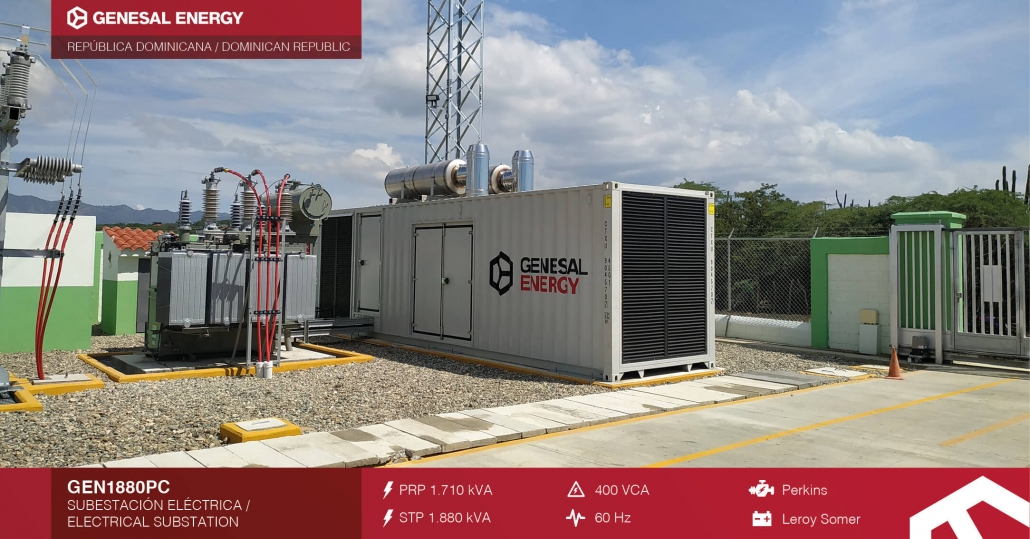
This year Genesal has strengthened its presence in the field of renewable energy with a good number of wind farms in its portfolio. For example, in 2019, the company supplied emergency equipment for the substations in Oriche and Venta Vieja, in the province of Teruel, Montilla del Palancar (province of Cuenca) and in Serra das Penas (province of Lugo), and also for the wind farm in Los Llanos (province of Málaga), an installation for which we manufactured and delivered turnkey equipment. Internationally, we delivered a 100% personalized generator for the wind farm in Monte Cristi (Dominican Republic), whereas for the Agua Clara wind farm on the same Caribbean island, Genesal’s Engineering Department designed and manufactured a hurricane-proof generator for the whole park, which has 25 air generators, supplying power for 250,000 persons.
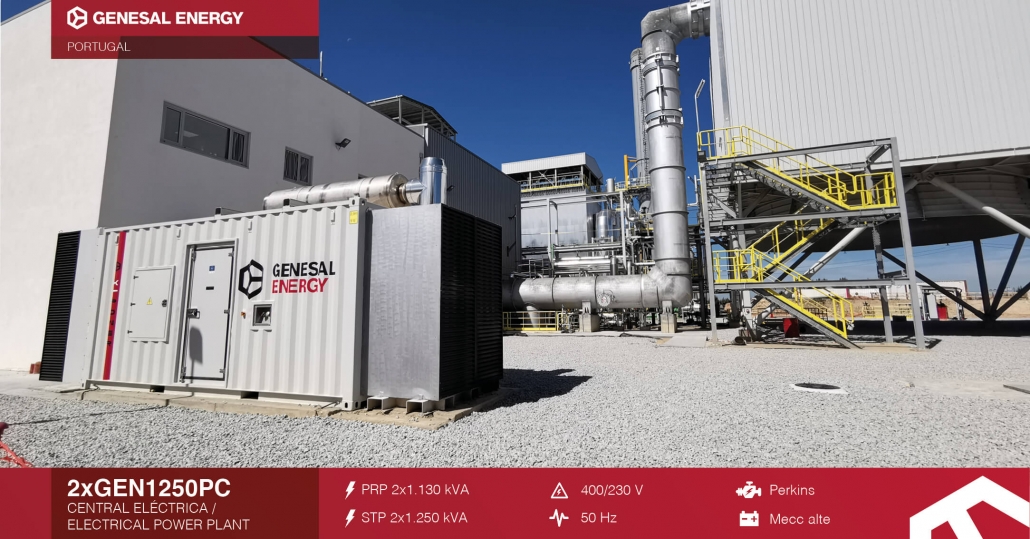
In Portugal there are two stations considered prime examples in the production of clean and renewable energy. They are the biomass plants located in Viseu and Fundão, repectively. Genesal installed special tailor-made equipment in both of these facilities.
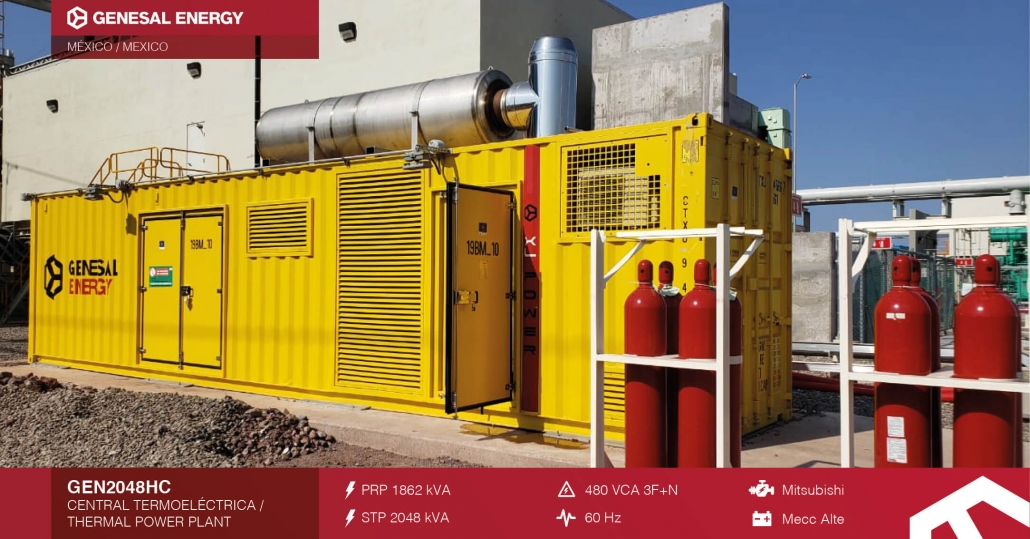
Genesal Energy’s strong presence in Mexico results in numerous projects, some of which are on a very large scale. Such is the case of the Topolobampo III combined-cycle power facility, whose founding in the municipality of Ahome was encouraged by the Mexican Federal Electricity Commission (CFE), and which will supply power to more than 2.5 million people. It will start operating in 2020 and the emergency power for it will be supplied by Genesal.
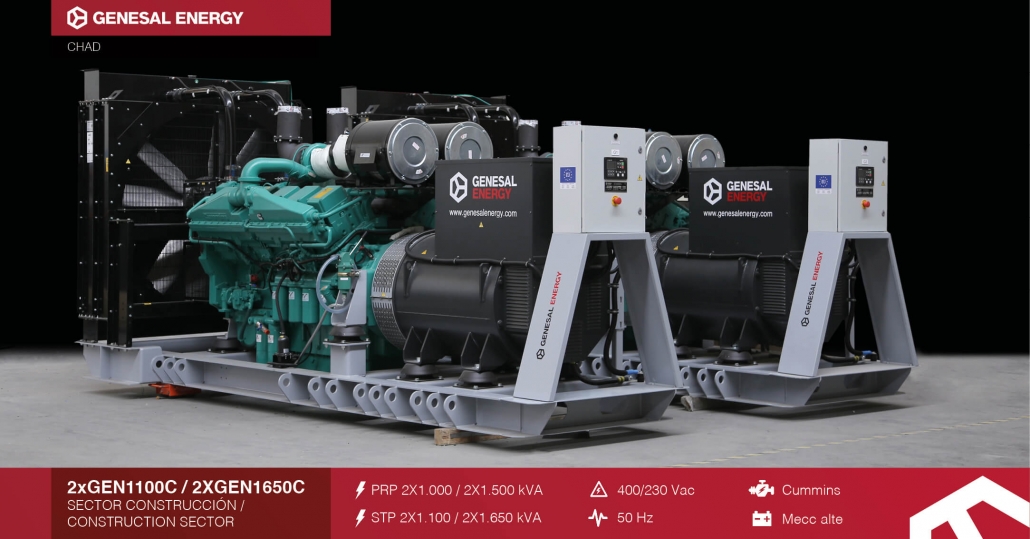
The embassy of Saudi Arabia in Chad also uses emergency power from this Spanish brand. Concretely, the order consisted of three sets of tailor-made generators of two different powers: of 2 x 1.000/1.100 (ojo, en español, también está mal, sobra un 0) kVA, 2 x 1.500/1.650 kVA and 2 x 25-27 kVA respectively, supposed to work in parallel.
The growth witnessed in Southeast Asia over the last two years was strengthened in 2019 with the addition of a new market: Taiwan. Said country is one of the most powerful economies in the world and Genesal entered its market through several projects. In total, we have supplied the Government 13 generators. It’s our aim to continue to expand the market with new operations.
The good results obtained in the 2019 fiscal year, which has seen a constant growth, induces optimism once again. The company, after 25 years of presence in the energy sector, has now grown up and expanded its central installations in Bergondo (province of A Coruña) by 3000 square meters. The new space is meant to provide the necessary production capacity in order to tackle the new challenges by an orderly growth, given that Genesal Energy’s main aim is always the customer, who should never feel unsupported, the company states.
An example of this commitment to close attention and personalized projects -a hallmark of our company- is the boost received by the Technical Assistance Service (SAT) Department -now an indisputable benchmark in matters of remote management and multi-branding- a section which is closing the year with a steady growth and the modernization of its vehicle fleet, a process which takes into account the latest developments in ergonomics.
As far as the expansion plans are concerned, Genesal Energy will maintain its international vocation. In this regard, although Europe and Latin America are its main markets, the company pays very special attention to others, such as Qatar and Taiwan, as well as the African market, a real challenge for the energy sector.
Contact
Fill in the form with your information if you want one of our generator sets or if you have any questions. We will prepare a quotation for you based on your requirements.
 +34 900 730 124
consultas@genesal.com
+34 900 730 124
consultas@genesal.com

Parroquia de Rois, b28
Polígono Industrial de Bergondo 15165
Bergondo, A Coruña

Officially registered as Manufacturer with references:
RII_PYA: 7848
RII_ENV: ENV/2023/000004191
RII_AEE: 7087